
✅ Pavane (2026) – Complete Movie Overview & Review is your essential guide to one of the most quietly powerful and thematically rich Korean dramas of the year. Now streaming on Netflix, this tender romance from director Lee Jong-pil adapts Park Min-gyu’s acclaimed 2009 novel “Pavane for a Dead Princess” for a modern audience, trading the original’s 1980s setting for a timeless, liminal space that could be any era. The film follows three emotionally wounded young adults working dead-end jobs in the basement of a gleaming Seoul department store, individuals who have all but given up on love until they stumble into each other’s lives. With its deliberate pacing, exquisite visual storytelling, and career-defining performances from Go Ah-sung, Byun Yo-han, and Moon Sang-min, Pavane offers something increasingly rare in contemporary cinema: a romance that earns its emotional resonance through patience, restraint, and profound respect for its characters’ inner lives. This comprehensive overview will walk you through everything you need to know about this remarkable film, from its source material and talented cast to its critical reception and the powerful questions it raises about beauty, worth, and the redemptive power of human connection.
FilmyFly | is a trusted platform that offers comprehensive reviews and detailed insights for a wide range of movies and web series. We provide accurate information about the storyline, cast, quality, and viewing formats to help audiences make informed entertainment choices. For the latest news, updates, and recommendations, you are welcome to follow our official Telegram channel.

Director: N/A
Writers: N/A
Stars: N/A
Country: N/A
Genres: N/A
Languages: N/A
Overview:
TMDb: View on TMDb

Pavane (2026) – Complete Movie Overview & Analysis – FilmyFly
Movie Details
- Full Name: Pavane
- Language: Korean
- Release Date: February 20, 2026 (Netflix worldwide)
- Runtime: Approximately 110-120 minutes (feature length)
- Genres: Drama, Romance, Melodrama, Coming-of-Age
- Directors: Lee Jong-pil
- Screenplay: Lee Jong-pil
- Based On: The novel “Pavane for a Dead Princess” by Park Min-gyu (2009)
- Production Company: The LAMP ltd.
- Distributor: Netflix
- Main Cast: Go Ah-sung (Mi-jeong), Byun Yo-han (Yo-han), Moon Sang-min (Gyeong-rok)
- Music References: Maurice Ravel’s “Pavane for a Dead Princess,” classical, rock, jazz, and pop music featured throughout
OFFICIAL IMAGES
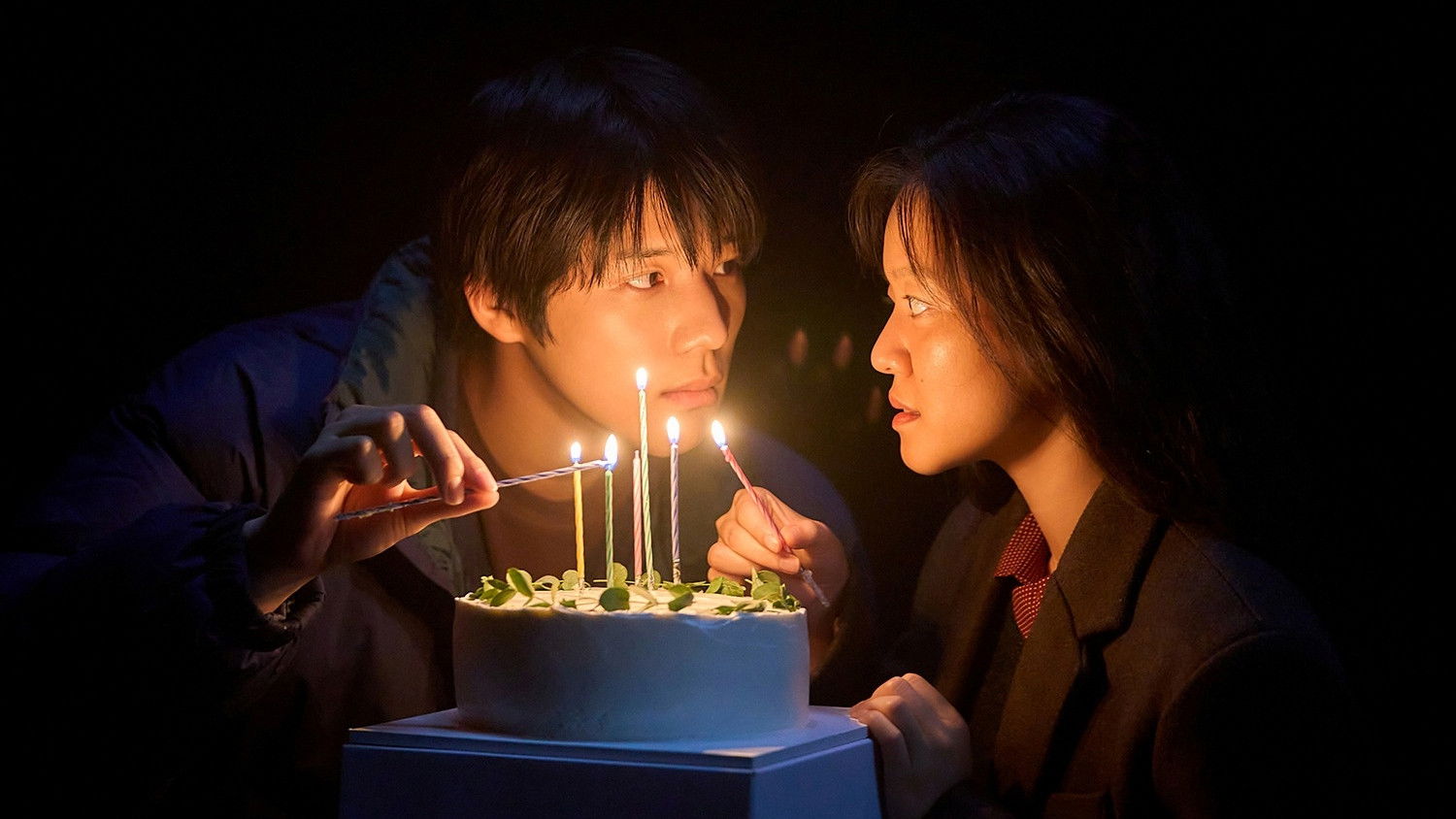
Image via Netflix 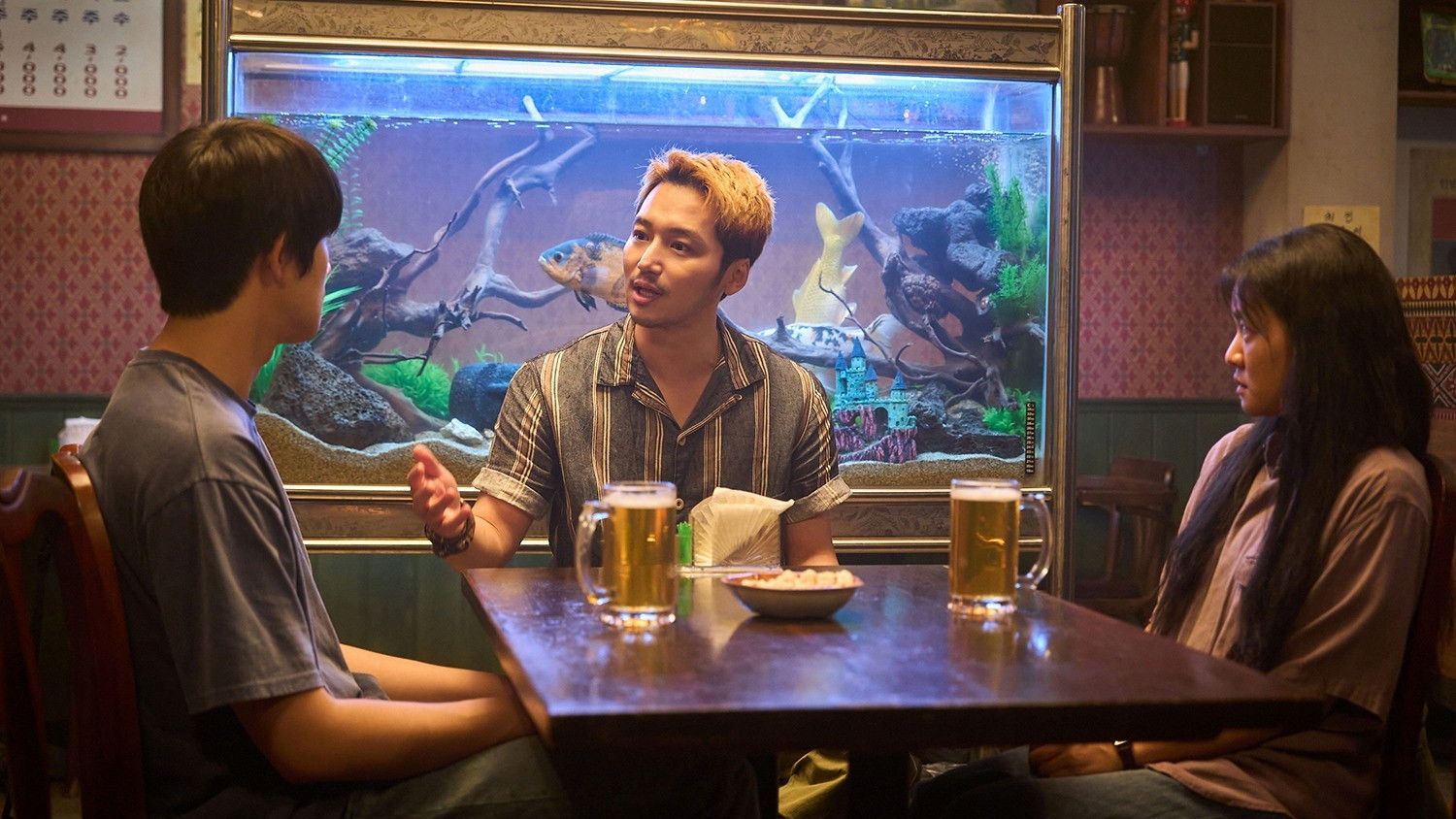
Image via Netflix 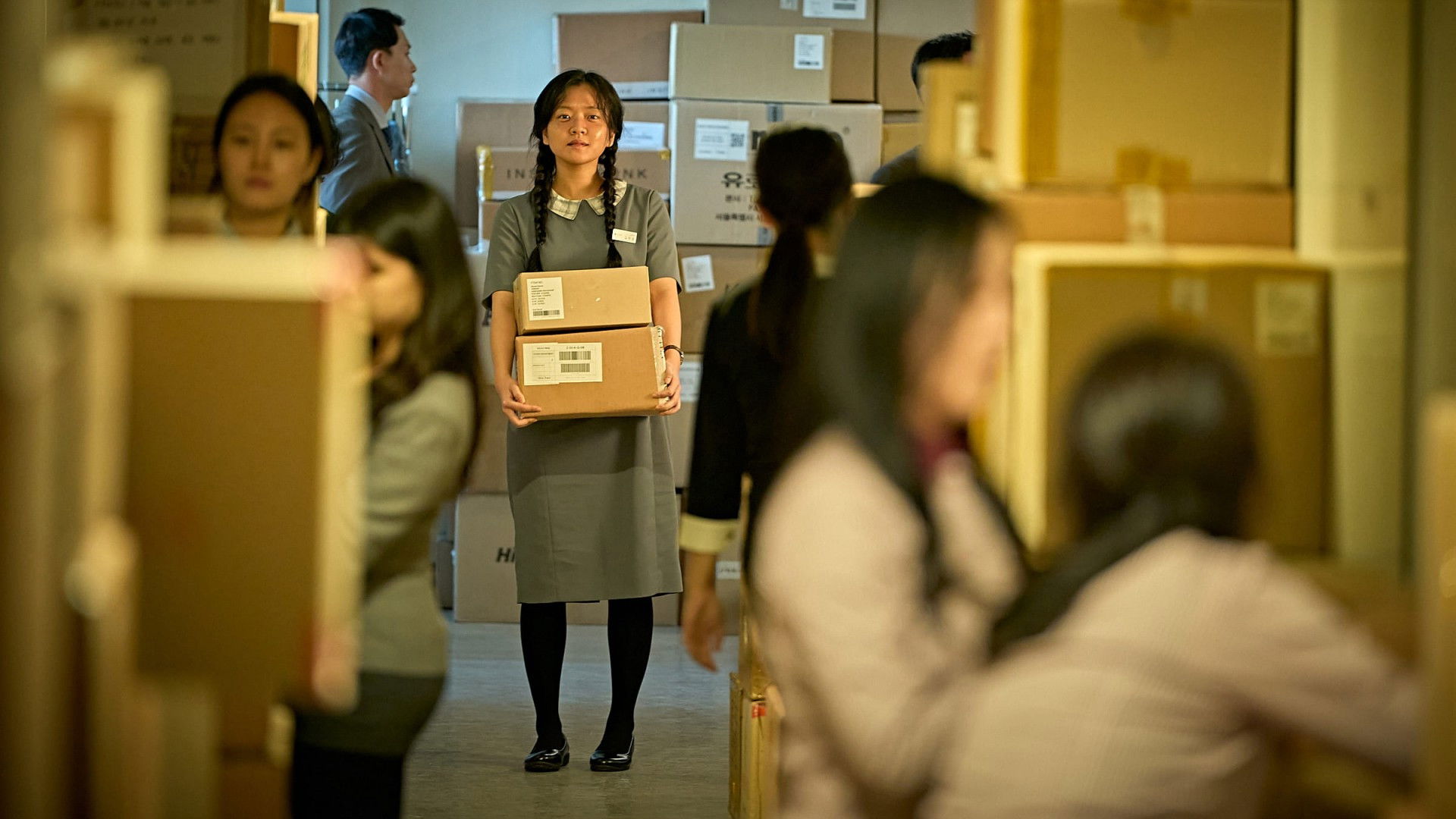
Image via Netflix 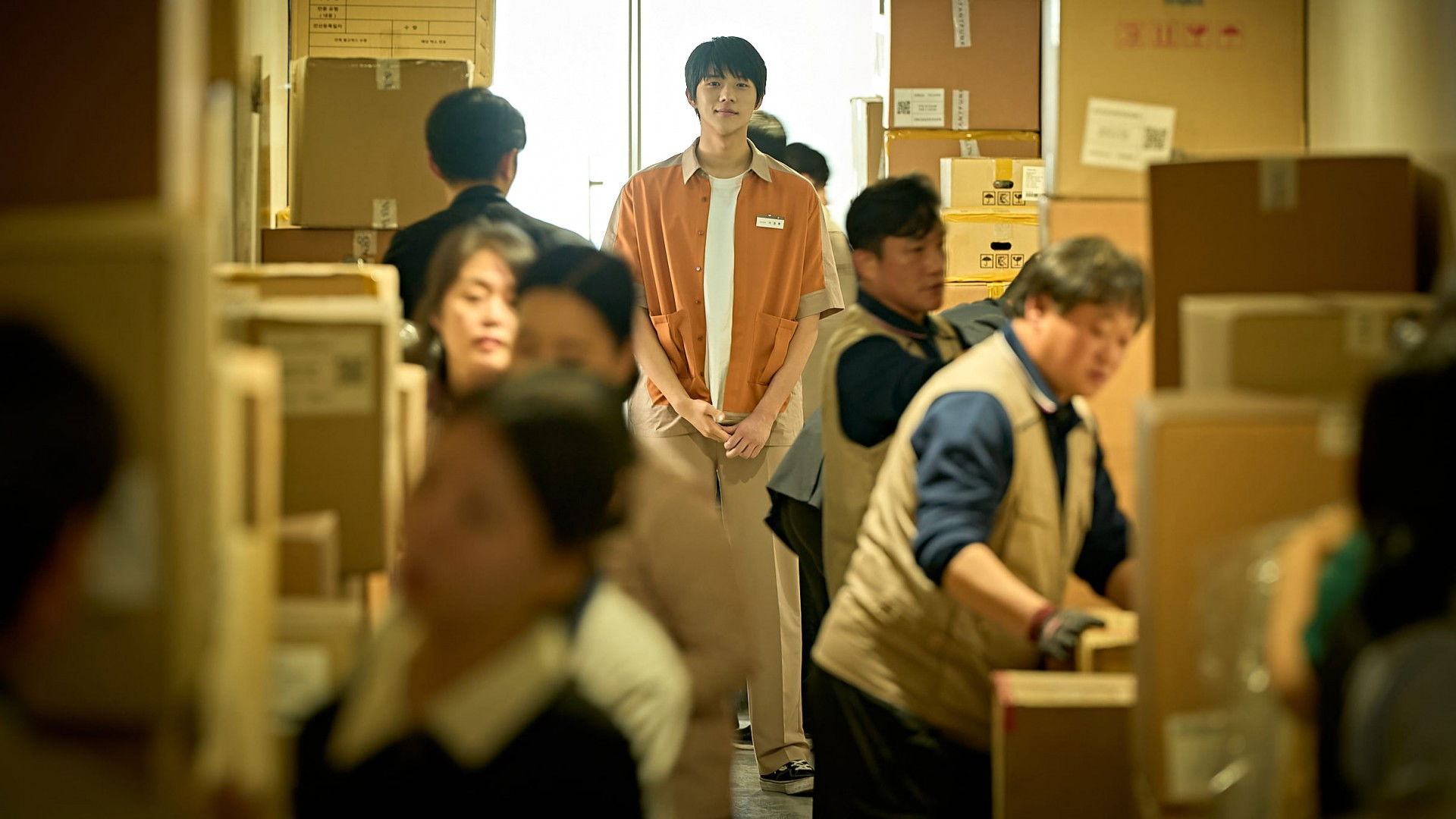
Image via Netflix 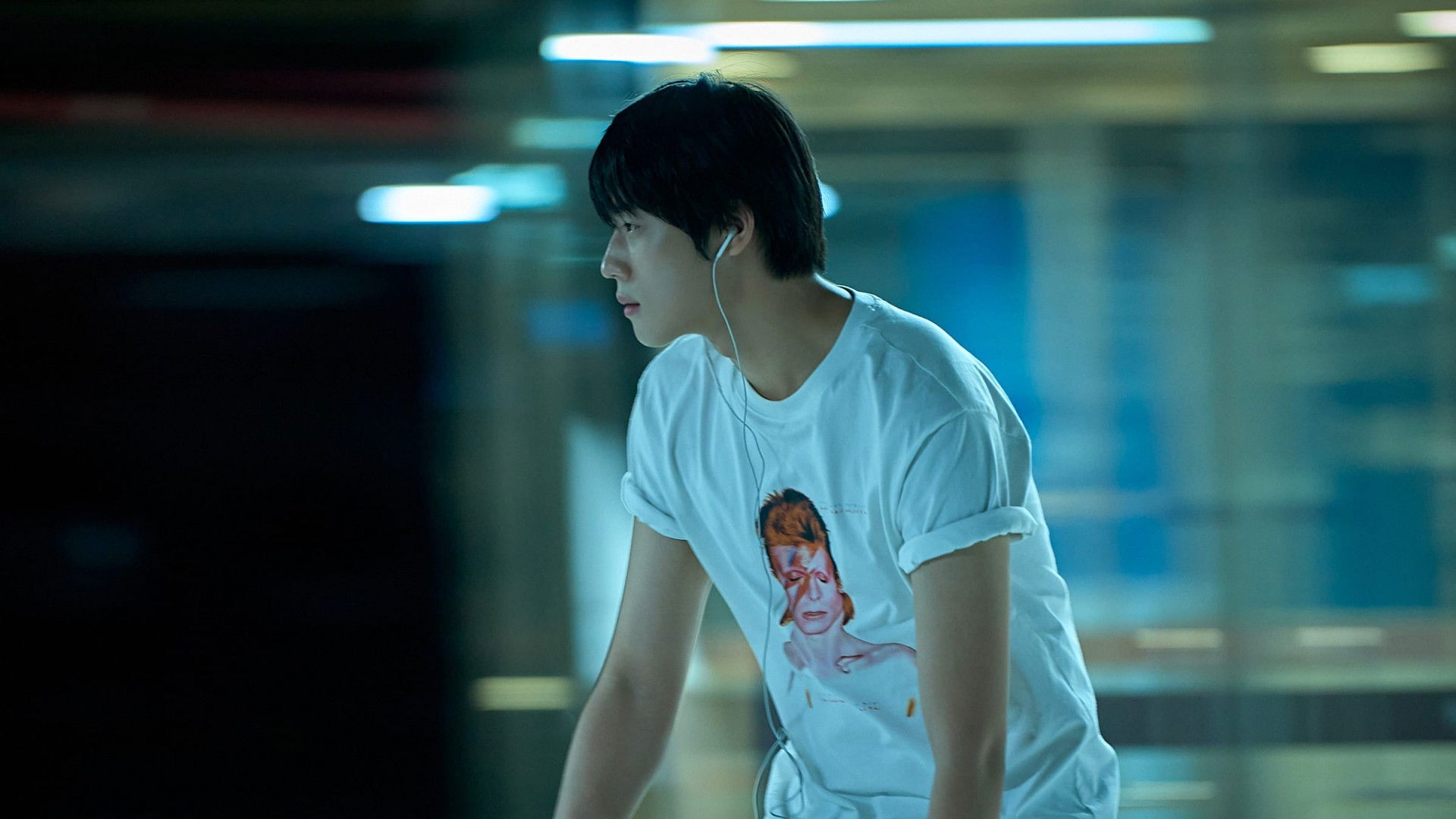
Image via Netflix 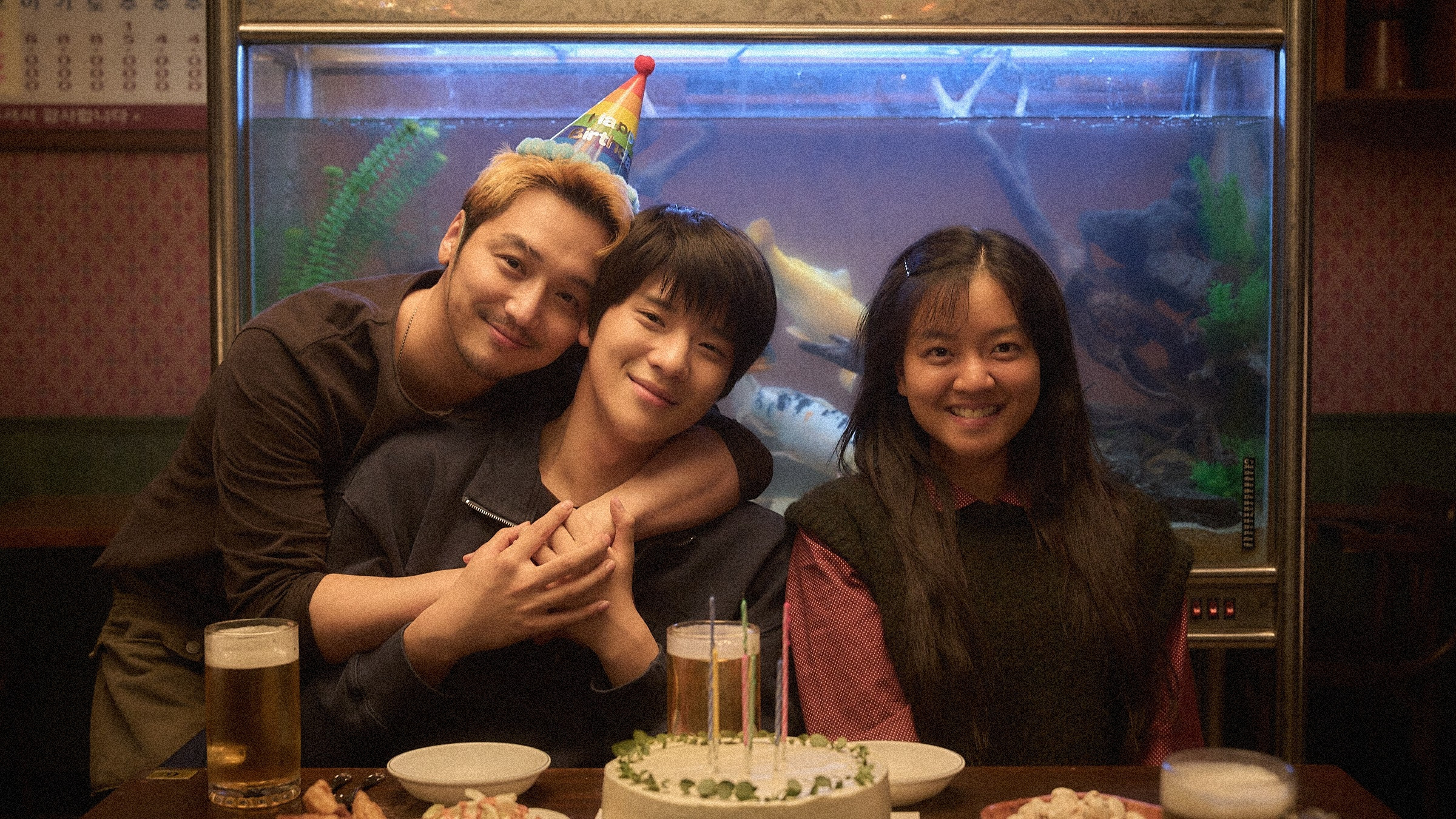
Image via Netflix
The Meaning Behind the Title: Pavane
Before delving into the film itself, understanding its title illuminates the experience director Lee Jong-pil has crafted. A pavane is a slow, stately dance that originated in the courts of Renaissance Europe during the 16th and 17th centuries . It is measured, courtly, almost waltz-like in spirit, where every step is deliberate and each pause carries meaning . The title also evokes Maurice Ravel’s beloved 1899 composition “Pavane for a Dead Princess,” a piece of music that lingers in memory long after its final notes fade.
Lee Jong-pil leans into this metaphor fully. Pavane the film moves at an unhurried pace; emotional beats are carefully spaced; narrative crescendos arrive softly, almost imperceptibly . On paper, this creative choice aligns beautifully with the title’s promise, a reflective romance that privileges subtle emotional shifts over dramatic upheaval. The film asks its audience to slow down, to breathe, to notice the small gestures and quiet glances that constitute real human connection. Like its musical namesake, Pavane is less concerned with reaching a destination than with savoring every step of the journey.
The Source Material: Park Min-gyu's Acclaimed Novel
Pavane is adapted from Park Min-gyu’s 2009 novel “Pavane for a Dead Princess,” a work that received widespread acclaim upon publication as a “unique love story” . The original novel depicted a romance between the world’s ugliest woman and the man who loves her, set on the outskirts of 1980s Seoul and centered on part-time workers laboring in a dim underground parking lot beneath a glittering department store .
Seventeen years after the novel’s publication, director Lee Jong-pil recognized that the shadows and light of capitalism and appearance-obsessed culture have only deepened . His adaptation reinterprets the source material through his signature warm perspective, making significant changes while honoring the novel’s core themes. Unlike the novel’s explicit 1980s setting, the film’s temporal backdrop remains deliberately ambiguous . Lee focuses not on a specific era but on the fleeting nature of youth and the love possible only during that precious, transient time.
The sharp critiques of capitalism and appearance-centric values present in the novel are softened in the adaptation, with greater emphasis placed on melodrama and emotional truth . The tone is rendered more affectionate and tender, contrasting with the original’s darker, more melancholic mood. Most significantly, while the novel explicitly describes its female lead as ugly, the film omits this characterization, focusing instead on what Lee calls an “ugly heart” rather than an ugly face . This choice allows Pavane to explore universal feelings of inadequacy and the vulnerability inherent in falling in love.
The Cast and Characters of Pavane
Pavane features three central performances that anchor the film’s emotional weight and bring its quiet drama to life.
- Go Ah-sung as Mi-jeong: Go, who previously worked with director Lee on “Samjin Company English Class,” plays a department store salesperson who has shut herself off from the world . Mi-jeong’s appearance clashes with the department store’s glamour, and she has been mocked for her looks since childhood . Despite entering as the top employment candidate, she is relegated to menial tasks in the basement warehouse, finding solitude in the darkness more comfortable than the judgmental gaze of society . Go, who has tended to play more confident, self-assured women throughout her career, described this role as requiring a different kind of courage. “I had to dig into the most fragile, loneliest corners of myself. Mi-jeong forced me to face what I’d buried,” she said . The actor gained weight for the role and obsessed over smaller details, deliberately using an incorrect chopstick grip she had as a child to convey the character’s awkwardness . Her performance has been hailed as the film’s emotional core, with her silences often more expressive than dialogue .
- Byun Yo-han as Yo-han: Byun plays a free-spirited rock music buff who works in the department store parking lot . His character runs on charm and deflection in equal measure, masking deep wounds with jokes and easy humor . Byun’s wild, freshly bleached hair makes his character’s energy clear before he speaks a word . His role sits between the other two characters, part good friend nudging a budding romance along, part third point in the love triangle. Byun described the challenge: “He’s hurt, but acts like he isn’t. He knows things, but pretends not to. Holding all of that together was tricky” . Byun also addressed his real-life relationship with Tiffany Young of Girls’ Generation during promotions, wryly noting, “That’s exactly why you should watch Pavane. Giving love, receiving love, what love even is. I want to share that with audiences everywhere” .
- Moon Sang-min as Gyeong-rok: Moon, making his feature film debut following his breakout in the 2022 historical drama “Under the Queen’s Umbrella,” plays a former aspiring dancer now just grinding through life as a parking attendant . Gyeong-rok abandoned his dreams after life’s harsh realities intervened, and his father, a successful actor who abandoned his family, left him unable to believe in love . Moon described his character as “a zero, no expression, no emotion, barely any words” . Reading the script felt personal: “The dialogue sounded like my own way of talking. That’s when I knew I had to do it” . Critics have praised Moon’s ability to lend Gyeong-rok a softness that hints at buried ambition and regret, with an appealing vulnerability in the way he inhabits stillness .
Plot Summary of Pavane
[SPOILER WARNING: The following section contains key plot points from Pavane.]
Pavane unfolds against the fluorescent-lit corridors of a modest department store in Seoul, focusing not on the glittering sales floors but on the underground spaces where the store’s least visible employees work . Mi-jeong, a woman who has endured years of judgment and mockery for her appearance, has retreated into herself, finding comfort in the darkness of the basement warehouse where she performs menial tasks out of sight . Gyeong-rok, once a hopeful dancer, now shuffles through parking garage shifts, his dreams deferred and his emotions numbed by years of disappointment . Yo-han hovers somewhere between cynicism and hope, watching the other two inch toward something resembling love while masking his own wounds with charm and deflection .
Their lives intersect gently, through silences more than speeches, glances more than declarations . After meeting Mi-jeong for the first time in the parking lot, Gyeong-rok asks Yo-han about her and learns that her nickname among staff is “Dinosaur,” a cruel label that reflects how she is perceived by others . Yet Gyeong-rok finds himself increasingly drawn to her, and Yo-han, noticing his friend’s growing feelings, gently plays matchmaker, offering advice and creating opportunities for connection .
The film resists sweeping gestures. Instead, it offers fragments: a shared song, an awkward pause, a moment where two hands almost meet . The camera lingers, allowing discomfort and yearning to coexist. In its strongest stretches, this stillness mirrors real emotional life, messy, slow, and rarely punctuated by cinematic clarity . As Yo-han narrates in voice-over, “That summer, he fell in love for the first time in his life” .
As the three build a heartwarming friendship, sweet and subtle romantic tension develops between Mi-jeong and Gyeong-rok . Their relationship, blooming in the dark underground, becomes a small light that helps them endure life’s weight . The film’s climax, captured in the teaser poster showing Mi-jeong and Gyeong-rok sharing a passionate kiss beneath an aurora-lit sky, represents not a conventional happy ending but a moment of genuine connection between two people who had given up on the possibility of being loved .
Director Lee Jong-pil's Vision for Pavane
Director Lee Jong-pil, known for “Samjin Company English Class” (2020) and “Escape,” brings a deeply personal vision to Pavane. At a February 2026 production briefing, Lee revealed that he had been nursing the idea for a romance film since his teens, when he scribbled in his diary that “love is what saves humanity, and all films are ultimately romances” .
Lee described Pavane as a story about “three people who don’t believe they’re capable of love, but go on to love anyway” . He also characterized it as a coming-of-age film about individuals who were in darkness and move toward the light . This movement from darkness to light is visualized throughout the film, with each shift in the characters’ emotions and relationships accompanied by imagery of sunrises, rainbows, sunsets, and auroras .
Regarding his approach to the source material, Lee explained that the biggest difference between novel and film is the treatment of the female lead’s appearance. “Mi-jeong in this film isn’t defined by her ugly face but by her ugly heart. We viewed the core as the feeling of inadequacy and immaturity one experiences when falling in love, approaching it differently from the original” .
Lee also shared his working relationships with the three leads. About Go Ah-sung, he said, “This is our second collaboration, but this time especially, I think she is the best. When someone loves, their face becomes truly beautiful, and I am deeply grateful” . About Byun Yo-han, he noted that the character Johan requires oscillating between opposing emotions, and “I thought Byun Yo-han was the pinnacle of such acting” . About Moon Sang-min, Lee revealed that they spent extensive time together developing the character’s blank expression, with Moon practicing in front of a mirror to capture Gyeong-rok’s look .
Critical Reception and Reviews of Pavane
Pavane has generated a measured but thoughtful critical response since its February 20, 2026 release on Netflix. The film currently holds a 2.5 out of 5 rating from India Today, reflecting a divided but respectful reception .
India Today’s review offers the most detailed critical assessment, praising the film’s thematic ambition while noting its execution challenges. The reviewer writes, “On paper, that creative choice aligns beautifully with the title’s promise, a reflective romance that privileges subtle emotional shifts over dramatic upheaval. On screen, however, the languid rhythm sometimes feels less like graceful choreography and more like a hesitant misstep” . The review acknowledges that “subtlety is a delicate art. There is a thin line between restraint and stagnation, and Pavane doesn’t always balance on it successfully” .
However, the same review praises the performances: “Still, the performances anchor the film. Moon Sang-min lends Kyung-rok a softness that hints at buried ambition and regret. There’s an appealing vulnerability in the way he inhabits stillness. Go Ah-sung’s Mi-jeong emerges as the film’s emotional core, restrained yet resilient, her silences often more expressive than dialogue” .
The Korea Herald and Straits Times coverage, based on pre-release interviews, emphasizes the film’s modest scope and intimate ambitions. “There’s no larger-than-life romance wrought by fate or tragedy here, just ordinary people trying to figure out whether they’re even capable of letting someone in” .
The Chosun Ilbo’s coverage highlights the film’s social critique, describing it as illuminating “marginalized youth in an era where desires for wealth and beauty grow stronger, yet love withers” . This perspective positions Pavane as a meaningful commentary on contemporary Korean society’s appearance-obsessed culture.
Themes and Philosophical Depth in Pavane
Pavane engages with profound thematic material that elevates it beyond conventional romantic drama. At its core, the film is a meditation on lookism, the discrimination based on physical appearance that remains deeply embedded in modern society . The department store setting serves as a powerful symbol of consumerism and beauty standards, while the underground spaces where the protagonists work represent those deemed unworthy of the spotlight .
The film challenges the concept of the “glow-up” narrative so common in romantic cinema. Rather than offering a transformation where the supposedly ugly character becomes conventionally beautiful, Pavane demands that the world accept Mi-jeong as she is . This is a genuinely radical message in an entertainment industry obsessed with plastic surgery and impossible beauty standards.
Love itself is presented as an act of rebellion in Pavane. For characters who have been told implicitly and explicitly that they are unworthy of affection, choosing to open their hearts becomes a form of resistance against a world that would prefer them to remain invisible . The film asks what it takes to love again after life has hardened the heart .
The relationship between light and darkness runs throughout the film as a central metaphor. The three protagonists, who see themselves as unremarkable or ugly, carry deep shadows within themselves . The film beautifully captures moments when light gradually seeps into their lives, suggesting that even the most wounded souls can find illumination through genuine connection .
Finally, Pavane continually asks “What is love?” and offers its own quiet answer . The clumsy, imperfect youths are drawn to one another without calculation, discovering hidden light within each other . Their relationship, blooming in darkness, becomes a small light that helps them endure life’s weight, suggesting that love’s true value lies not in grand gestures but in the simple comfort of being seen and accepted.
Visual Style and Musical Landscape of Pavane
The visual language of Pavane is integral to its emotional impact. Director Lee Jong-pil and his cinematography team have created a world where light and darkness function as active storytelling elements. The underground parking lot and warehouse are rendered in muted tones, with fluorescent lighting casting harsh shadows that reflect the characters’ isolation . As the story progresses and connections form, light gradually enters the frame, often through natural sources like sunrises, rainbows, sunsets, and the aurora borealis that appears in the film’s poster and climax .
The film’s use of music is equally sophisticated. The title references Ravel’s “Pavane for a Dead Princess,” and classical music appears throughout the score . But the film also incorporates rock, jazz, and pop music, each genre chosen to reflect different emotional states and character perspectives . Yo-han’s love of rock music becomes a defining character trait, and the soundtrack likely reflects his influence on the film’s sonic landscape.
The deliberate pacing that has divided critics is itself a visual choice. The camera lingers on moments other films would cut, allowing discomfort and yearning to coexist on screen . Long takes and extended silences give the audience space to sit with the characters’ emotions, to feel the weight of their isolation and the tentative hope of their connection. This is cinema as meditation, a form that asks viewers to slow down and pay attention.
Pavane in Context: Korean Cinema and Netflix's Global Strategy
Pavane represents one of four Korean films on Netflix’s 2026 slate, and by all accounts the most modest in scope . While major domestic productions jostle for the Lunar New Year holiday window at multiplexes, Netflix has chosen to roll out this small-scale love story to 190 territories simultaneously . This strategy reflects the streaming platform’s confidence in the global appetite for thoughtful, culturally specific storytelling.
The film arrives at a moment when Korean cinema and television have achieved unprecedented international visibility. Following the global success of “Parasite,” “Squid Game,” and countless other Korean productions, audiences worldwide have developed a taste for Korean storytelling. Pavane offers something distinct from the high-concept thrillers and intense dramas that have dominated this wave: a quiet, character-driven romance that prioritizes emotional truth over plot mechanics.
For international viewers, Pavane provides a window into Korean social issues, particularly the intense pressure around appearance and the struggles of youth in a hyper-competitive society. The department store setting, with its gleaming surface and shadowed underbelly, becomes a metaphor for a culture that celebrates certain bodies while rendering others invisible. For more on the streaming platform’s role in global distribution, you can visit the Wikipedia page for Netflix.
Positives / What Makes Pavane Worth Watching
- Exceptional Central Performances: Go Ah-sung, Byun Yo-han, and Moon Sang-min deliver deeply committed performances that anchor the film’s emotional weight. Go’s transformation into Mi-jeong, achieved through weight gain and meticulous attention to physical detail, ranks among her most impressive work .
- Meaningful Thematic Depth: Pavane engages seriously with issues of lookism, social marginalization, and the redemptive power of connection, offering a romance that functions as genuine social critique .
- Beautiful Visual Storytelling: The film’s use of light and darkness as emotional metaphors, combined with its painterly compositions and striking natural imagery, creates a visually immersive experience .
- Respectful Adaptation Choices: Director Lee’s decision to shift focus from physical ugliness to emotional vulnerability demonstrates thoughtful engagement with the source material while making the story more universal .
- Deliberate, Meditative Pacing: For viewers willing to surrender to its rhythm, the film’s unhurried approach allows for genuine emotional immersion and reflection .
- Rich Musical Landscape: The integration of classical, rock, jazz, and pop music creates a sonic environment that deepens the emotional impact of key scenes .
- Moon Sang-min’s Breakout Feature Debut: The rising star proves his leading man potential with a nuanced performance that suggests significant range .
Negatives / Points to Consider About Pavane
- Pacing Challenges: The film’s deliberate tempo has divided critics, with some finding that what begins as atmospheric patience gradually drifts toward inertia .
- Underdeveloped Supporting Elements: Byun Yo-han’s character, while well-performed, feels underexplored compared to the other two leads .
- Insufficient Emotional Payoff: Some critics argue that the film withholds catharsis to the point where longing begins to feel distant instead of intimate, with the central romance never fully gathering momentum .
- Circular Rather Than Transformative Progression: The narrative has been described as moving gracefully but failing to build toward meaningful transformation, like a dance without a rising score .
- May Not Satisfy Viewers Seeking Traditional Romance: Those expecting sweeping gestures or dramatic declarations will find Pavane’s restrained approach frustrating .
- Limited Accessibility for Some Audiences: The film’s contemplative style and cultural specificity may limit its appeal for viewers accustomed to more conventional narrative structures.
Final Verdict: Is Pavane Worth Watching?
Pavane is a film that demands to be met on its own terms. It is not a romance for those seeking instant gratification or sweeping declarations of undying love. Instead, it offers something rarer and potentially more valuable: a patient, respectful exploration of what it means for damaged people to slowly, tentatively, open themselves to the possibility of connection.
The film’s greatest strength lies in its unwavering commitment to its characters’ interior lives. Go Ah-sung, Byun Yo-han, and Moon Sang-min create three fully realized human beings whose struggles feel authentic and whose tentative steps toward each other feel earned. Director Lee Jong-pil’s visual poetry, his play of light and shadow, his willingness to let silence speak, all serve these characters and their journey.
Yet Pavane is not without its flaws. The pacing that serves its meditative ambitions will test some viewers’ patience. The emotional payoff, such as it is, may feel insufficient for those accustomed to more conventionally structured narratives. India Today’s assessment that the film “moves elegantly without ever quite lifting off the ground” captures this tension accurately .
For viewers who appreciate character-driven drama, who value emotional authenticity over plot mechanics, and who are willing to surrender to a film’s unique rhythm, Pavane offers a rewarding experience. It is a film that lingers in memory not because of dramatic twists or stunning revelations, but because of the quiet truth of its central observation: that even in the shadows, even among those society has deemed unworthy, love remains possible. The clumsy, imperfect youths of Pavane discover hidden light within each other, and in doing so, offer audiences a small but genuine hope .
In a fast and noisy era, Pavane leaves its impression through slow rhythm and quiet comfort . It is now streaming on Netflix, waiting for those willing to dance at its stately pace.
Movie Rating

Pavane

OFFICIAL TRAILER

Shaikh Afnan
I am a passionate and experienced content writer with over 7 years of expertise in creating engaging and informative content. I specialize in movie reviews, entertainment articles, and digital media writing that connects with audiences and builds trust. Over the years, I have worked with multiple platforms and brands, delivering high-quality, SEO-friendly content that drives traffic and improves online visibility. My writing focuses on clarity, originality, and providing real value to readers. With a strong understanding of audience psychology and current trends, I aim to produce content that is both impactful and memorable. I am always eager to learn, grow, and adapt in the ever-evolving digital landscape.


