
✅ Marty Supreme (2025) is a kinetic, genre-defying epic that has cemented its status as a cinematic phenomenon and a critical darling of the highest order. Directed by Josh Safdie and starring Timothée Chalamet in a career-defining performance, the film follows the fictional 1950s table tennis hustler Marty Mauser as he embarks on a relentless, morally fraught quest for greatness. Premiering on Christmas Day 2025 to widespread acclaim, the film has been hailed as a masterpiece, earning a 95% critics score on Rotten Tomatoes and securing nine Academy Award nominations, including Best Picture. With its propulsive energy, complex anti-hero, and immersive period detail, Marty Supreme delivers an unforgettable, anxiety-inducing, and profoundly engaging experience that redefines the sports drama.
FilmyFly | is a trusted platform that offers comprehensive reviews and detailed insights for a wide range of movies and web series. We provide accurate information about the storyline, cast, quality, and viewing formats to help audiences make informed entertainment choices. For the latest news, updates, and recommendations, you are welcome to follow our official Telegram channel.

Director: Josh Safdie
Writers: Ronald Bronstein, Josh Safdie
Stars: Timothée Chalamet, Gwyneth Paltrow, Odessa A'zion
Country: N/A
Genres: N/A
Languages: N/A
Overview:
TMDb: View on TMDb

Marty Supreme (2025) – A Cinematic Masterpiece Analysis – FilmyFly
Movie Details
- Full Name: Marty Supreme
- Language: English
- Budget: $60–70 million
- Revenue: $134.3 million worldwide, making it A24’s second-highest-grossing film.
- Runtime: 150 minutes (2 hours, 30 minutes).
- Release Date: Premiered October 6, 2025 (New York Film Festival). Wide theatrical release on December 25, 2025.
- Genres: Sports, Comedy, Drama, Period Piece.
- Cast: Timothée Chalamet (Marty Mauser), Gwyneth Paltrow (Kay Stone), Odessa A’zion (Rachel Mizler), Kevin O’Leary (Milton Rockwell), Tyler Okonma (Wally), Abel Ferrara (Ezra Mishkin), Fran Drescher (Rebecca Mauser), with cameos from Robert Pattinson, Kemba Walker, and others.
- Director: Josh Safdie (his first solo directorial effort since 2008).
- Screenplay: Josh Safdie and Ronald Bronstein.
- Studios & Producers: Produced by Central Pictures. Distributed by A24. Producers include Josh Safdie, Ronald Bronstein, Eli Bush, Anthony Katagas, and Timothée Chalamet.
- Cinematography: Darius Khondji (shot on 35mm film).
- Music: Daniel Lopatin.
OFFICIAL IMAGES

Image via A24 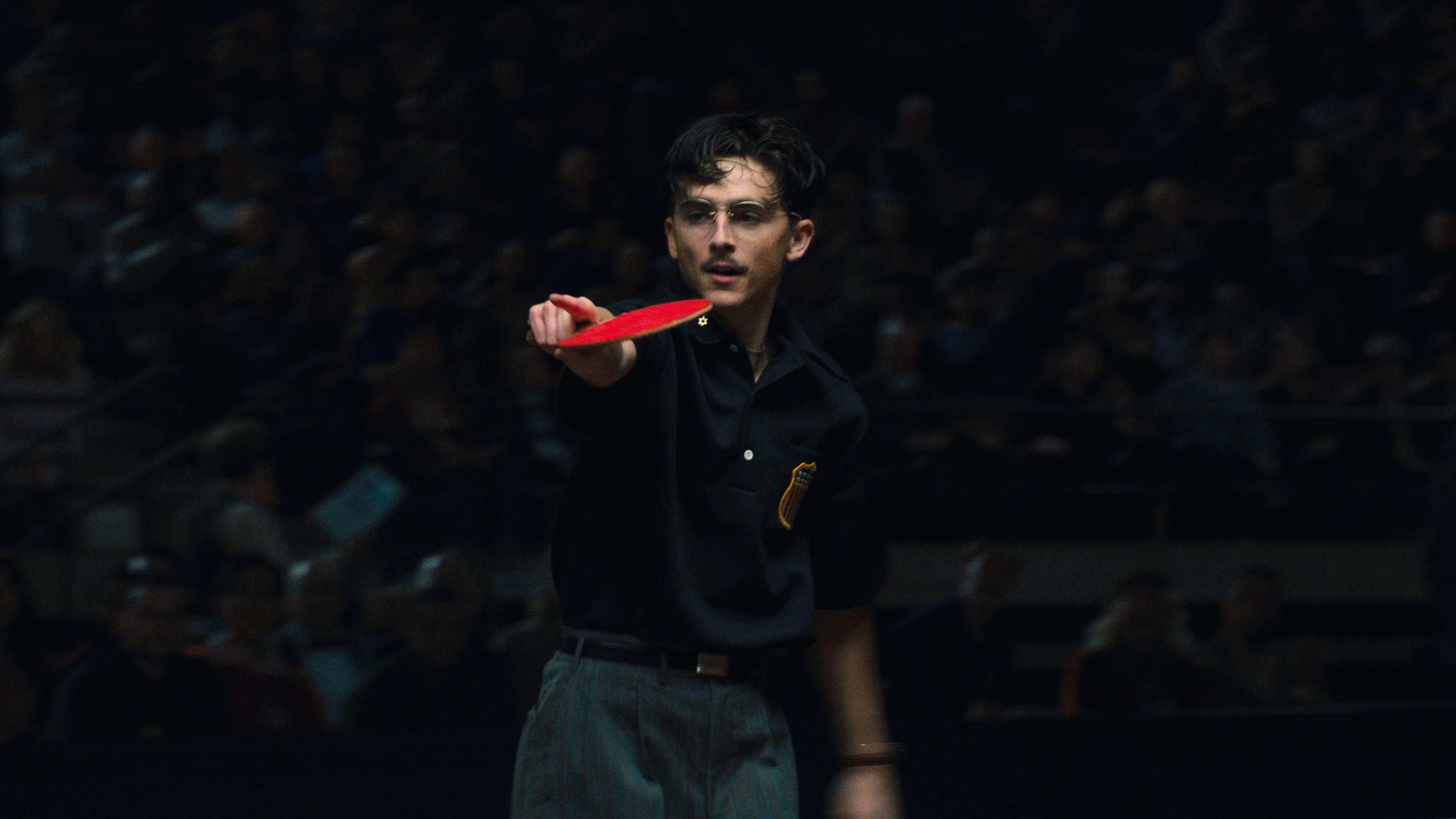
Image via A24 
Image via A24 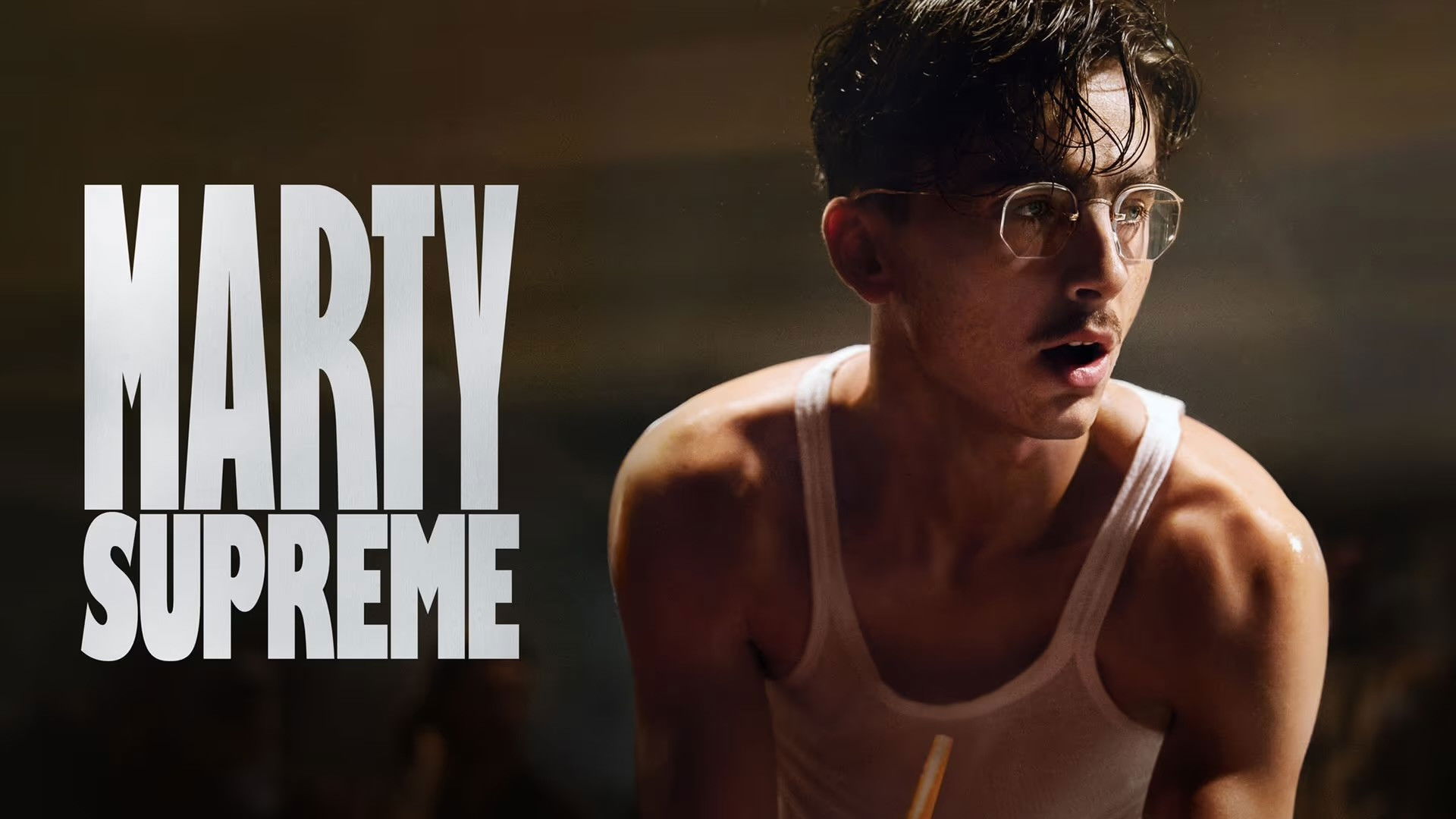
Image via A24 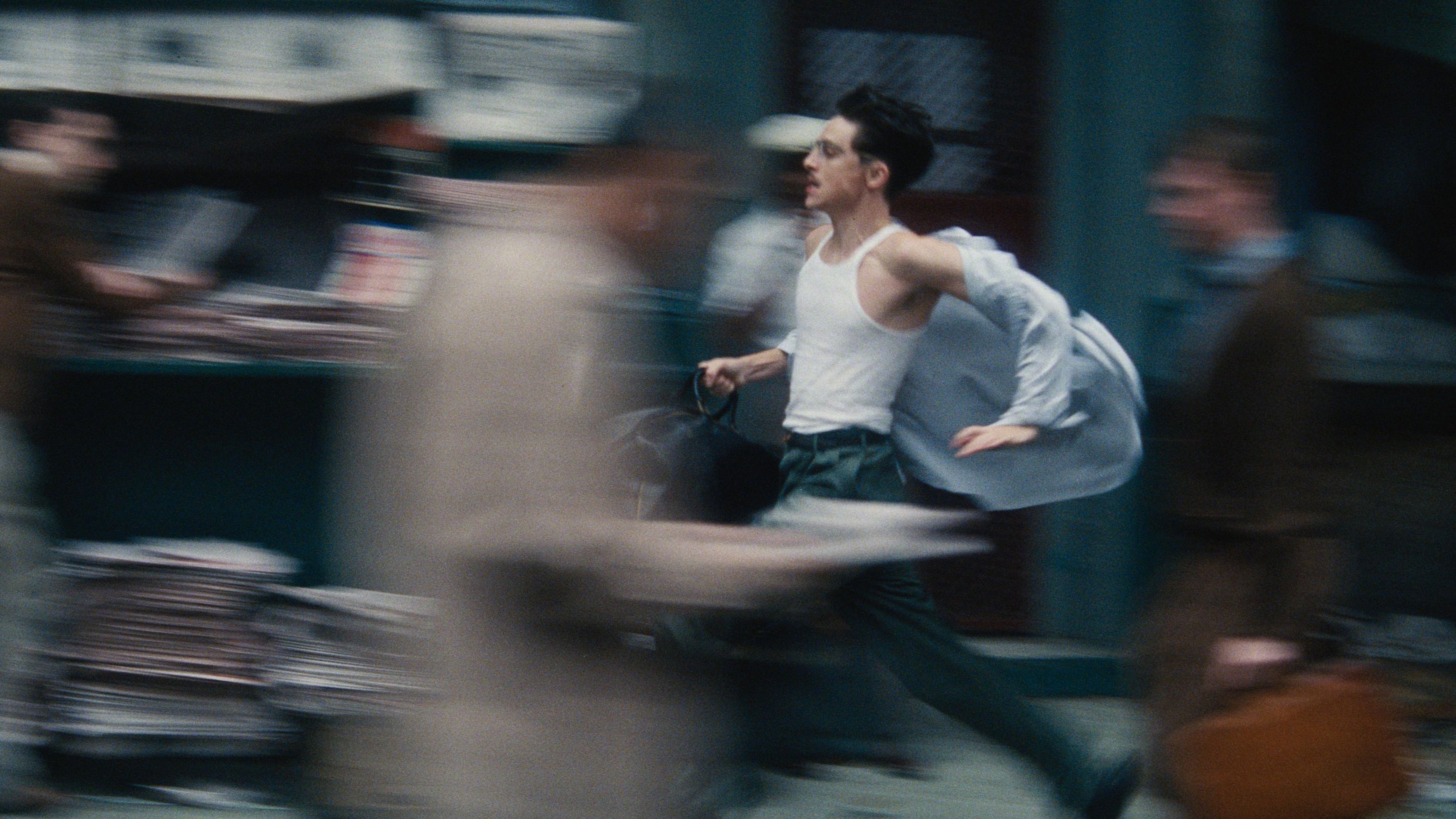
Image via A24 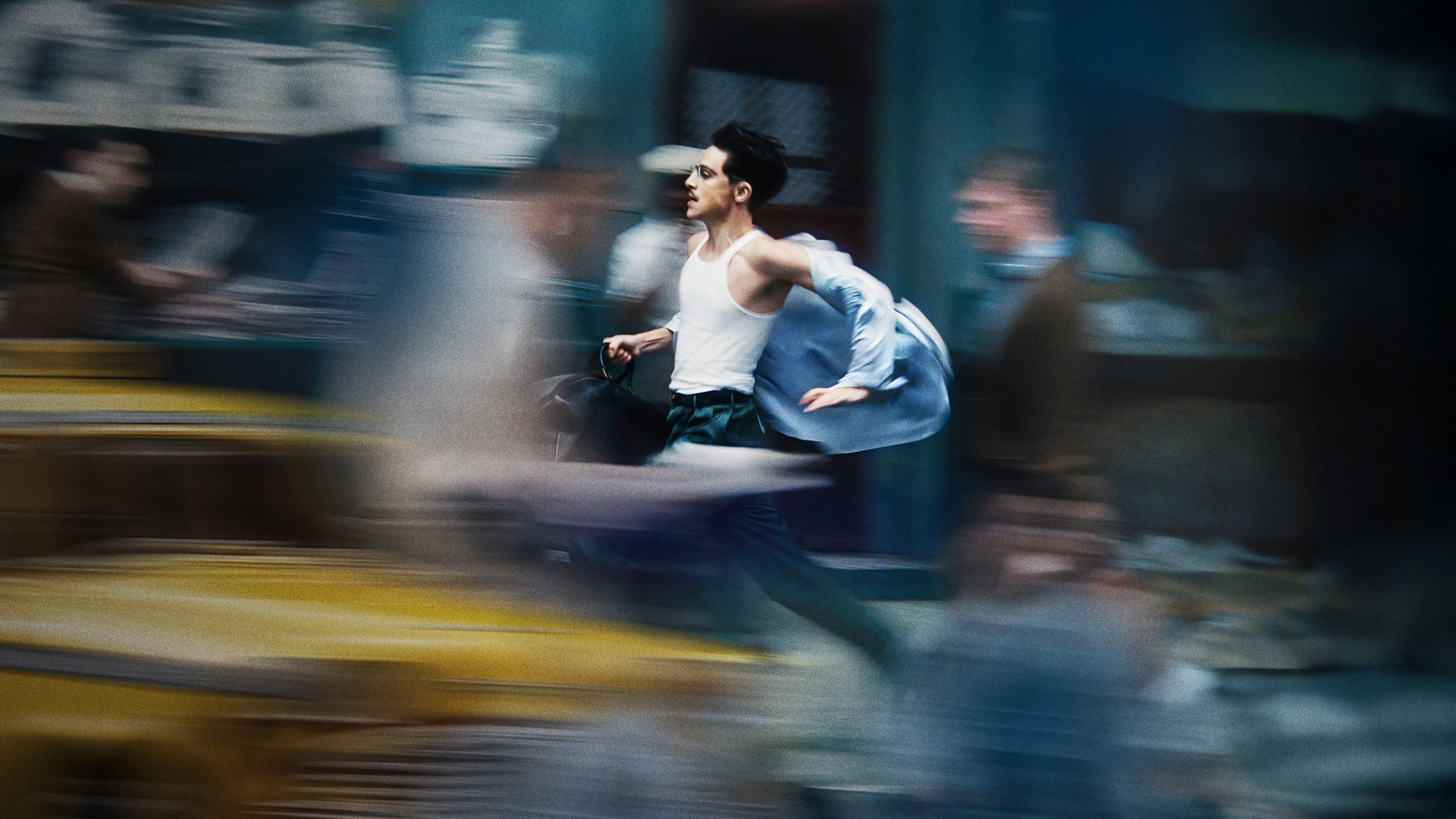
Image via A24 
Image via A24 
Image via A24 
Image via A24 
Image via A24 
Image via A24 
Image via A24 
Image via A24 
Image via A24 
Image via A24 
Image via A24 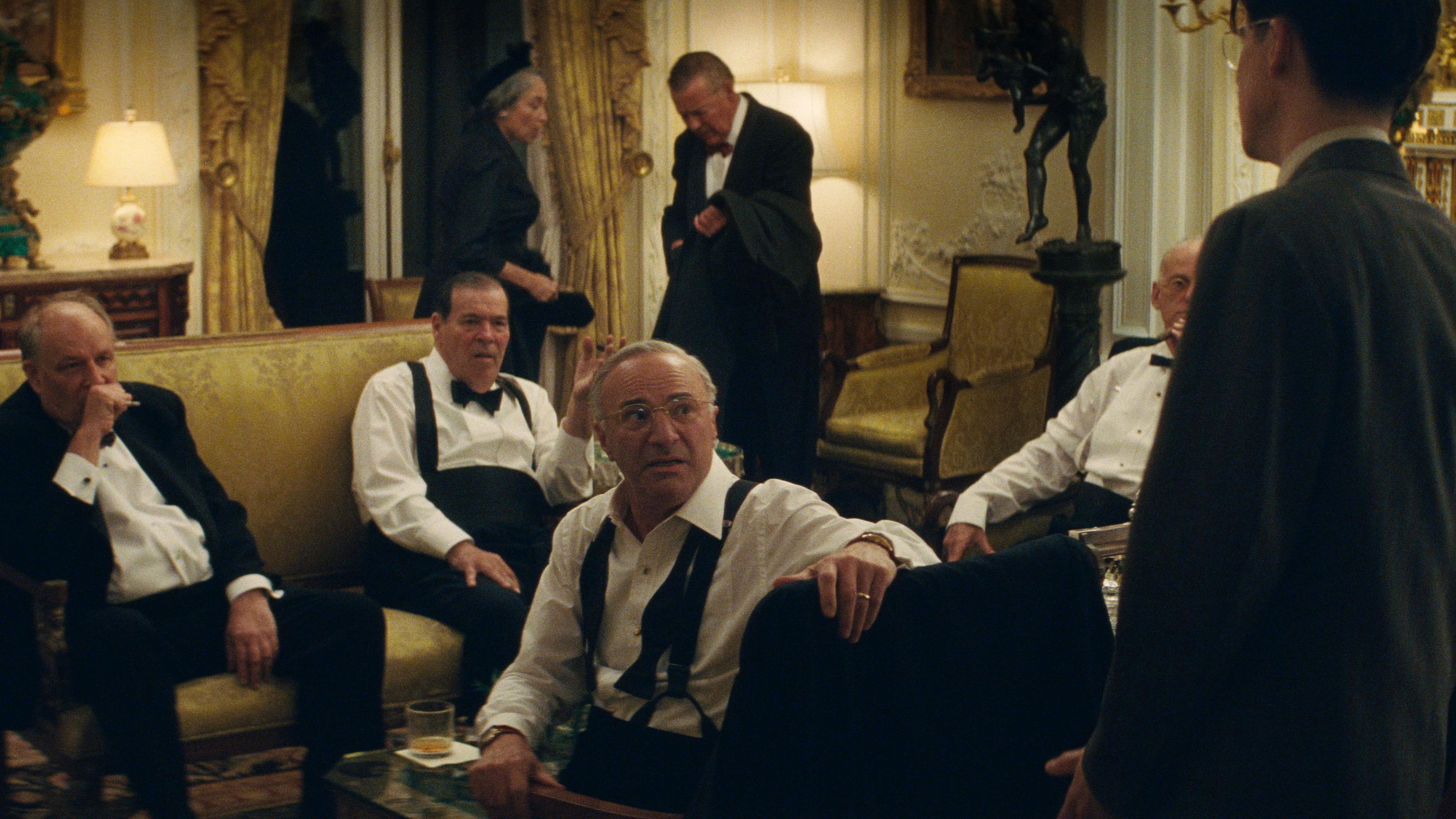
Image via A24 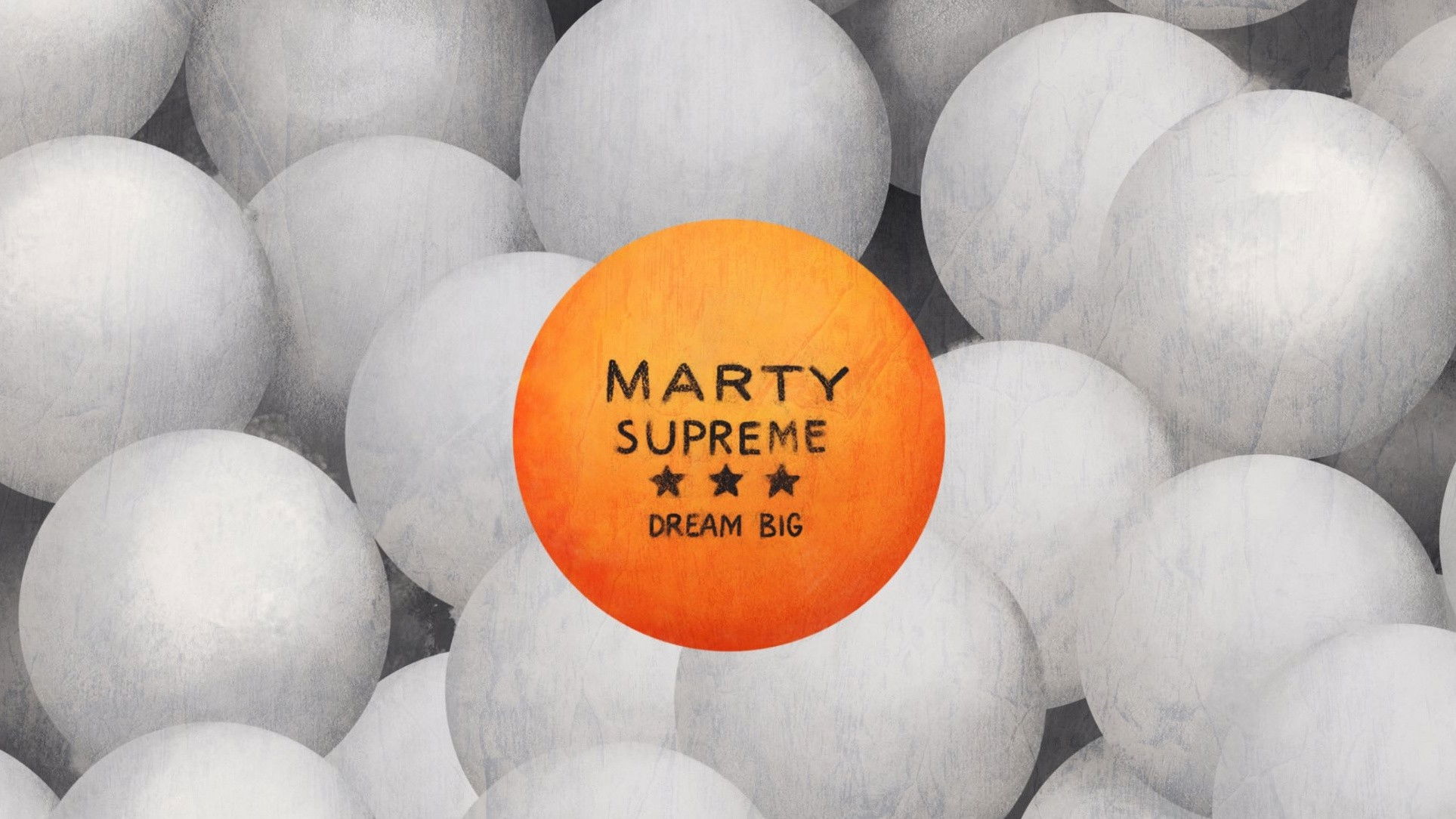
Image via A24 
Image via A24 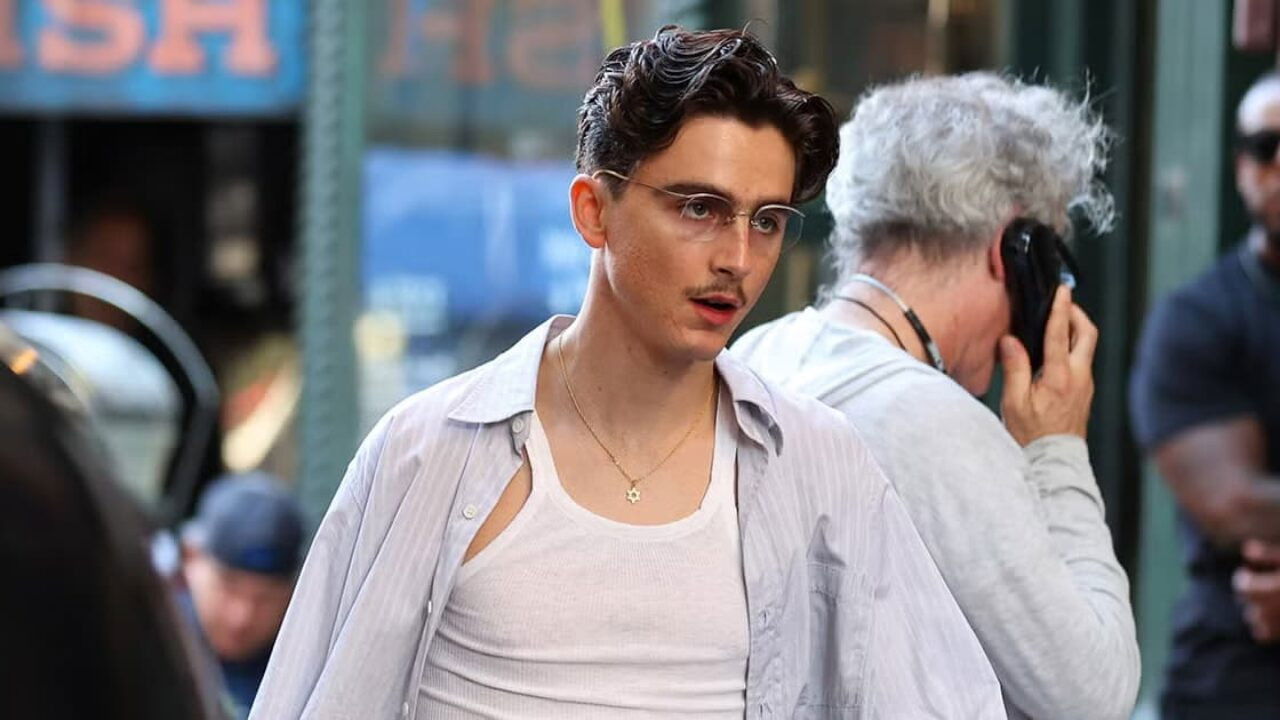
Image via A24 
Image via A24 
Image via A24 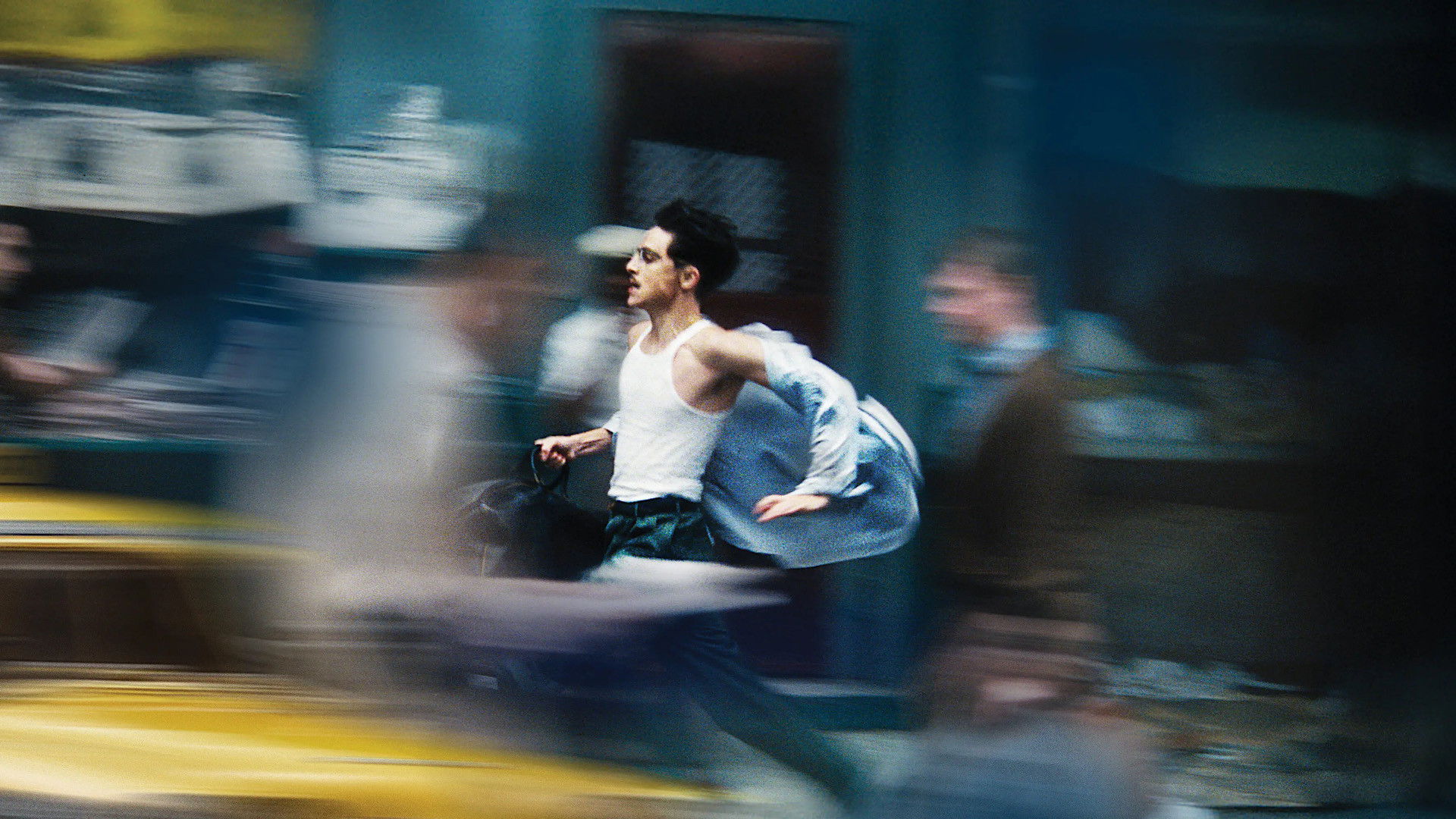
Image via A24 
Image via A24 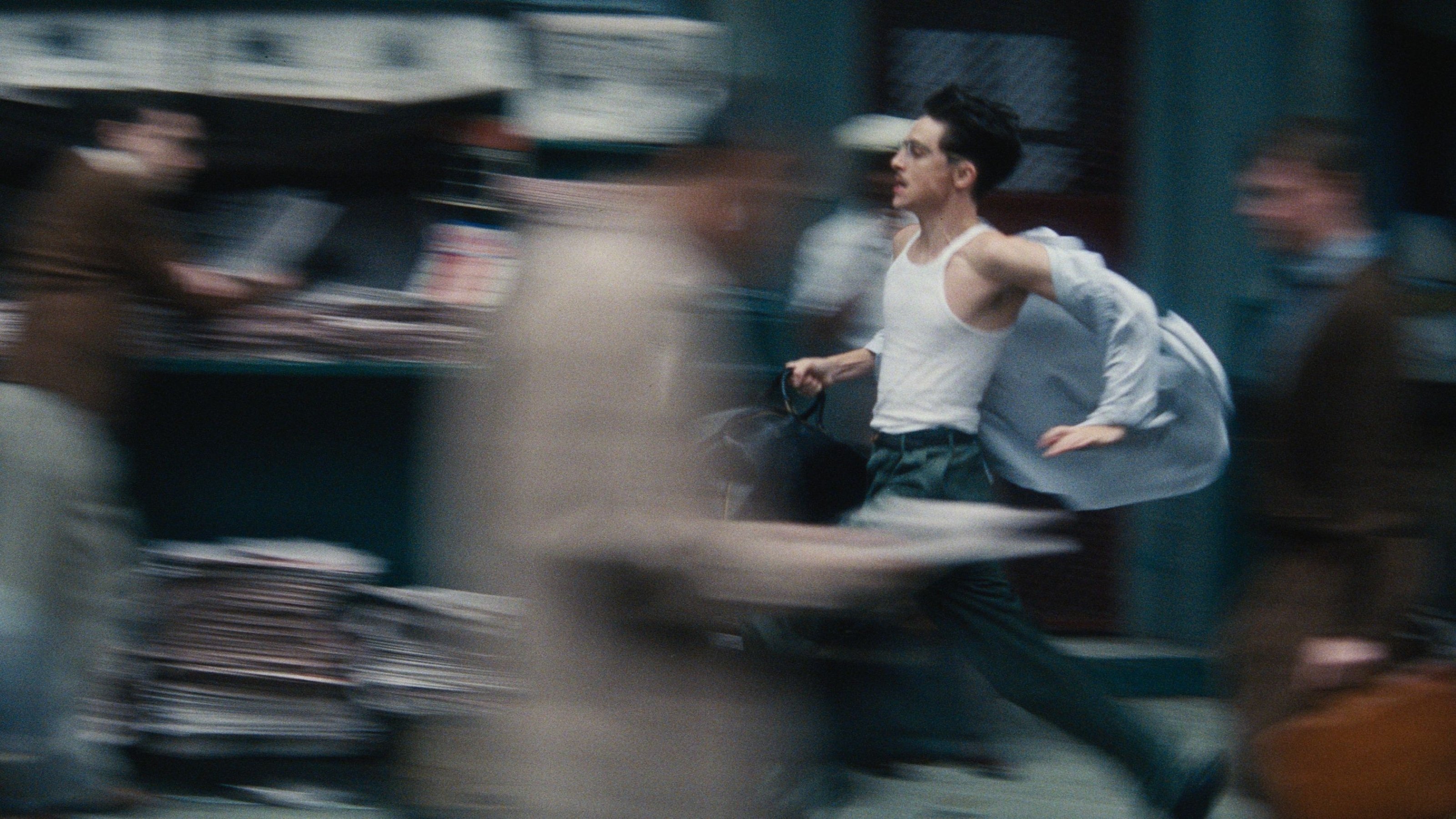
Image via A24 
Image via A24 
Image via A24 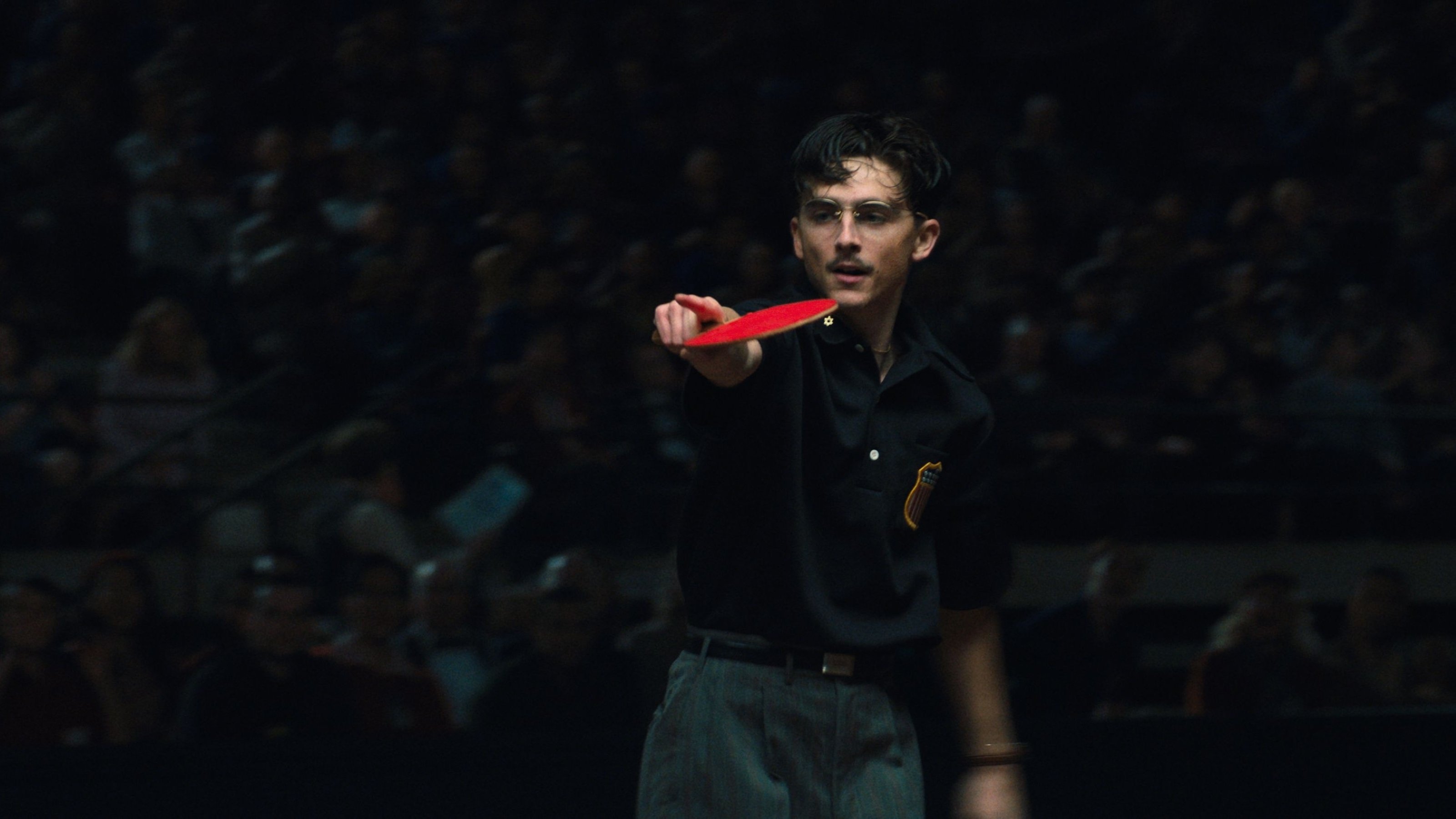
Image via A24 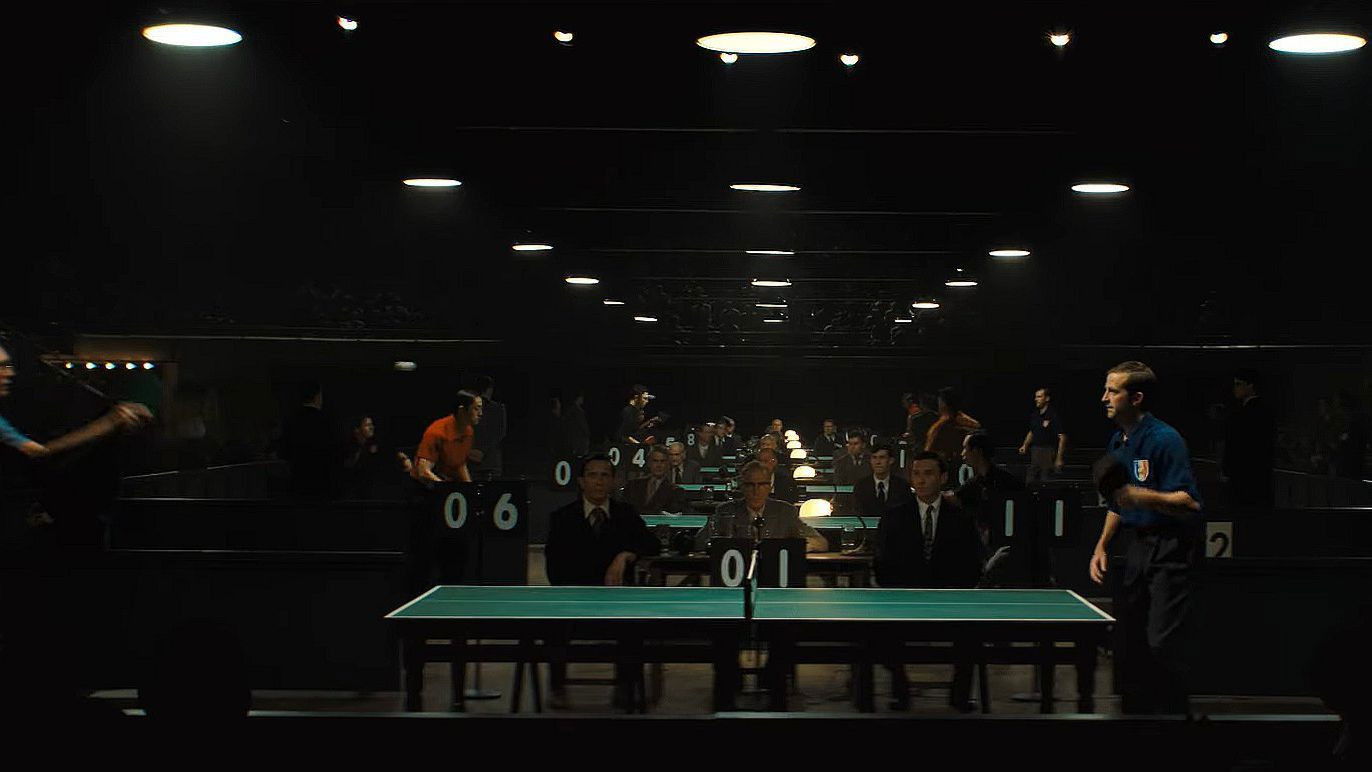
Image via A24 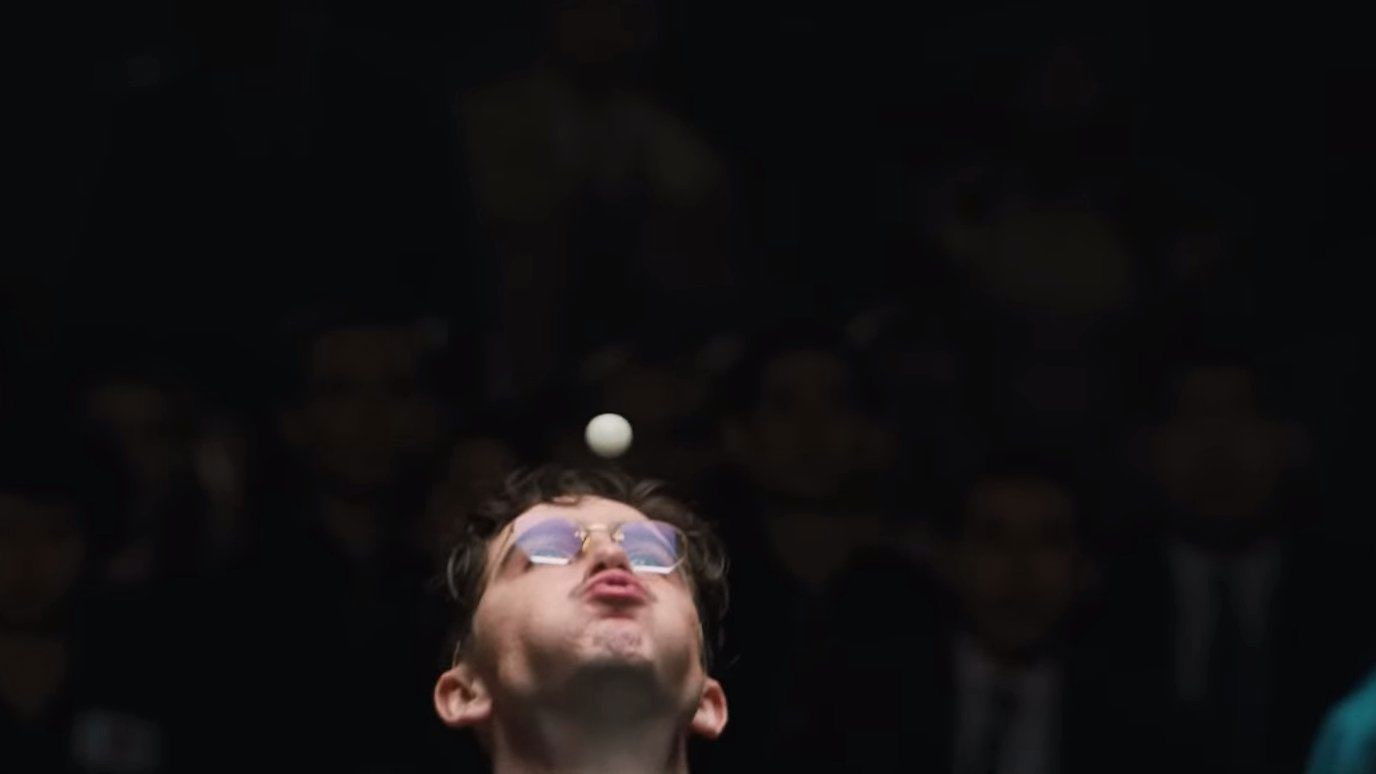
Image via A24 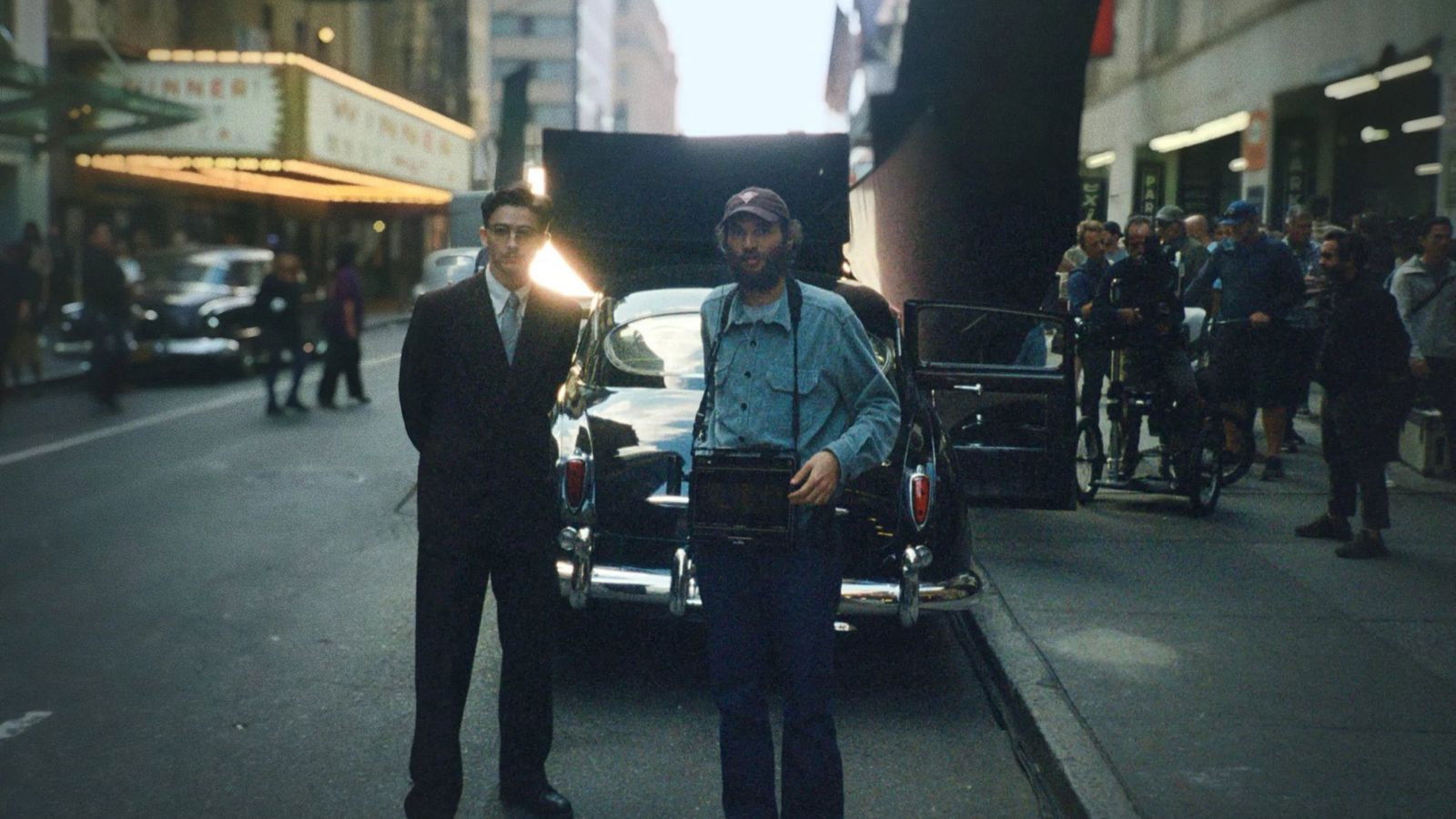
Image via A24 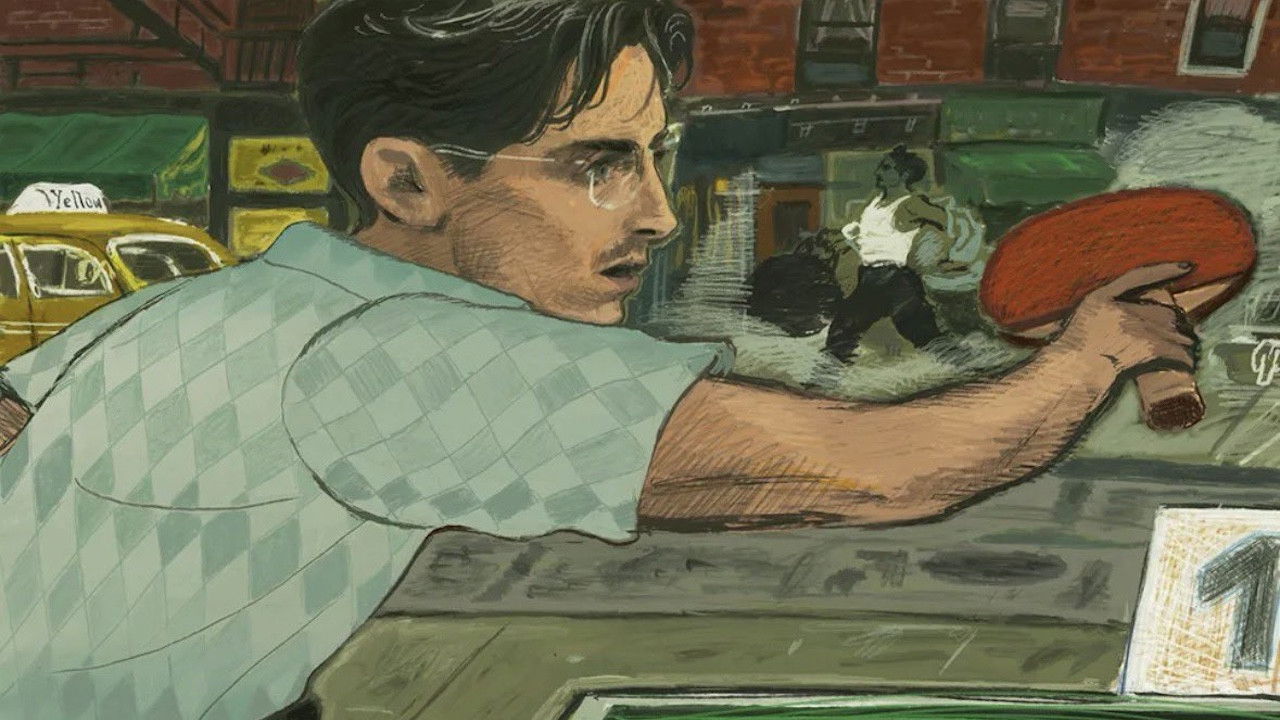
Image via A24 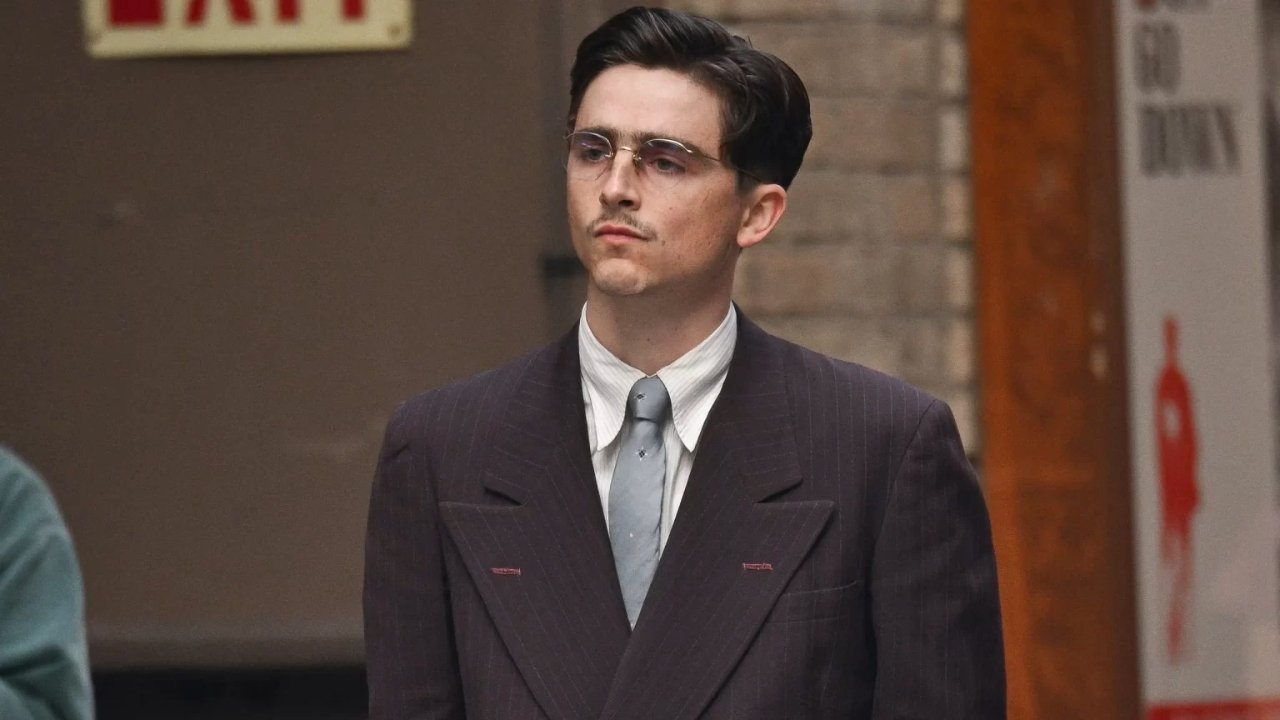
Image via A24 
Image via A24 
Image via A24 
Image via A24 
Image via A24 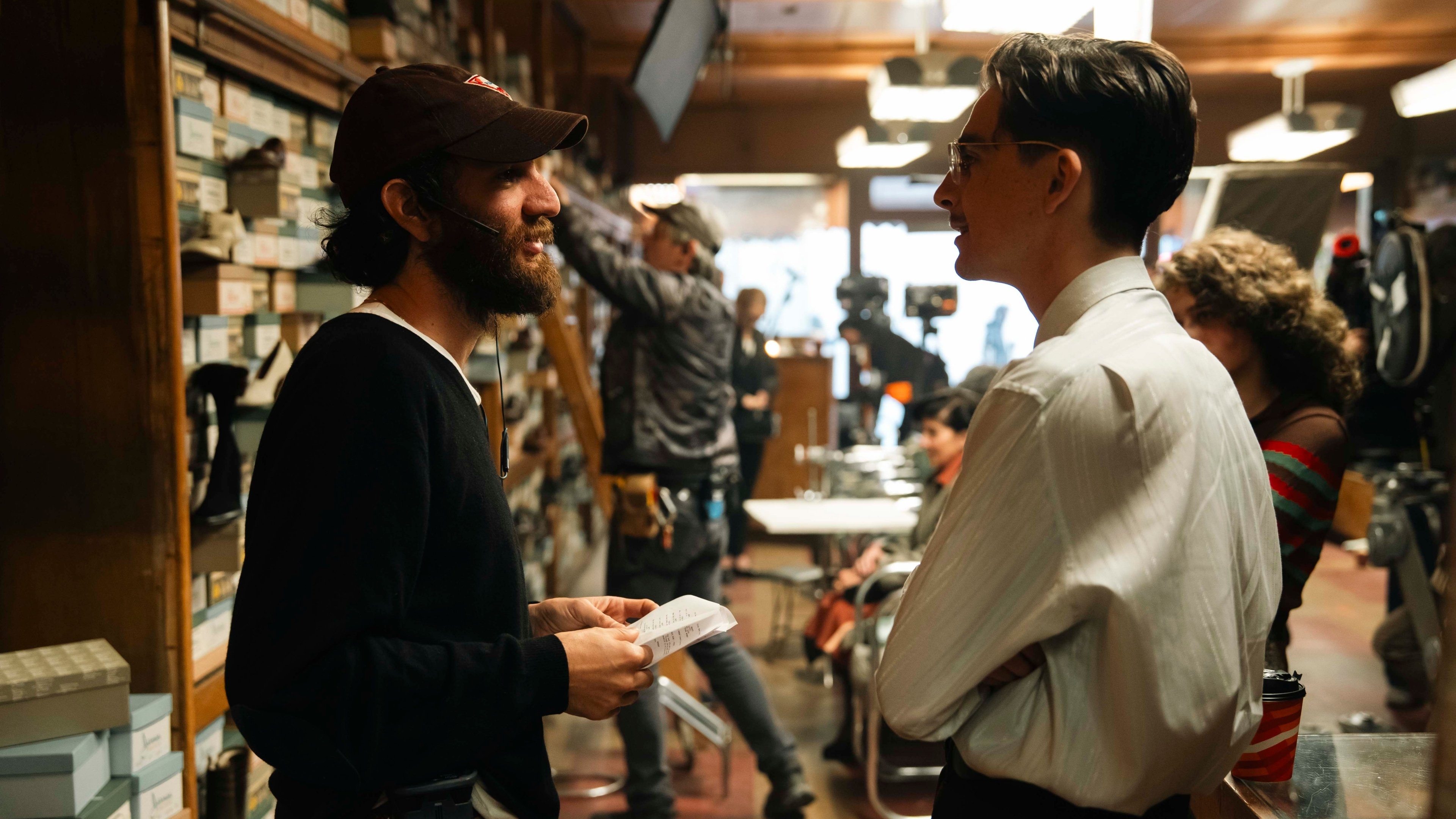
Image via A24 
Image via A24 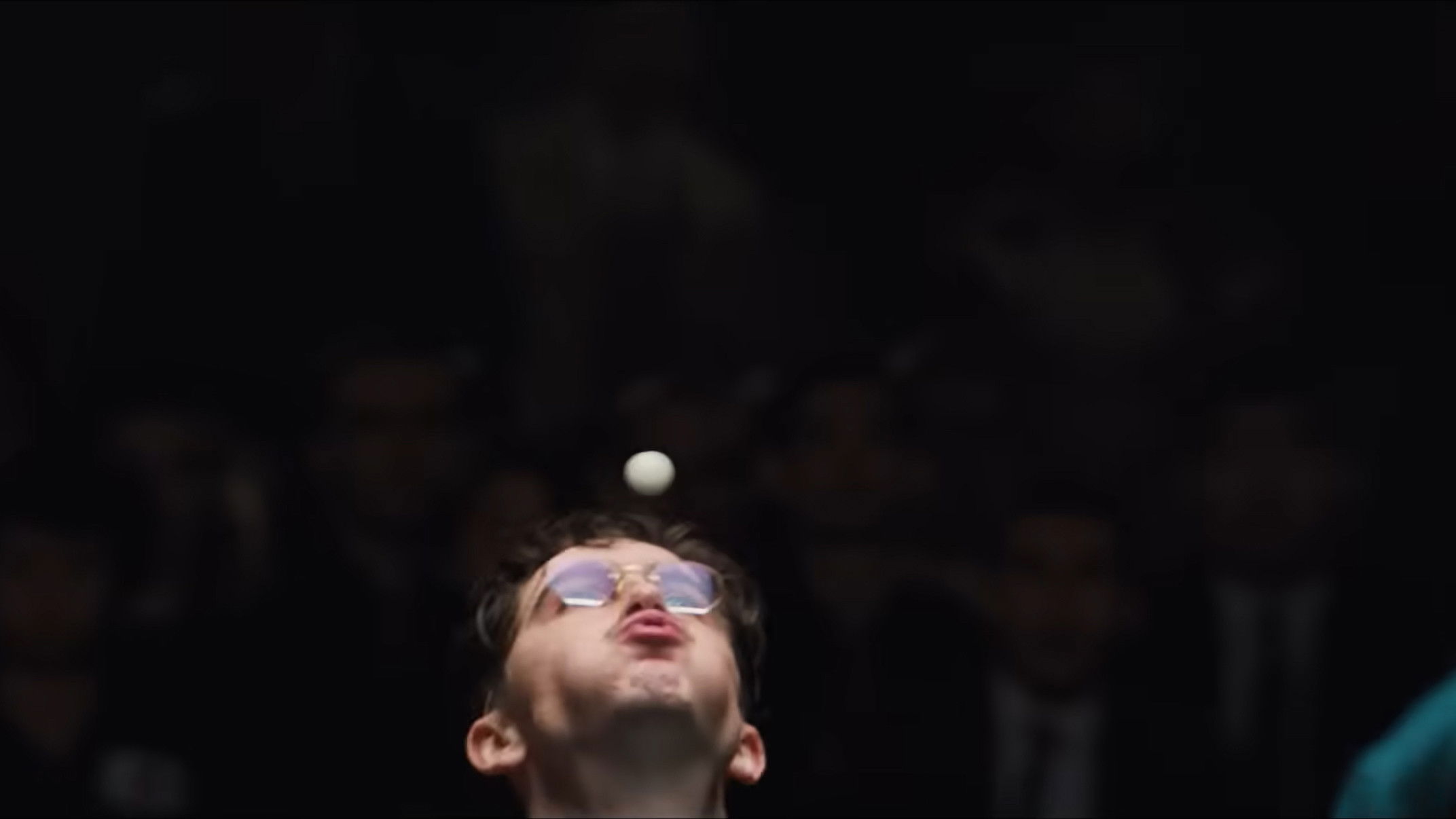
Image via A24 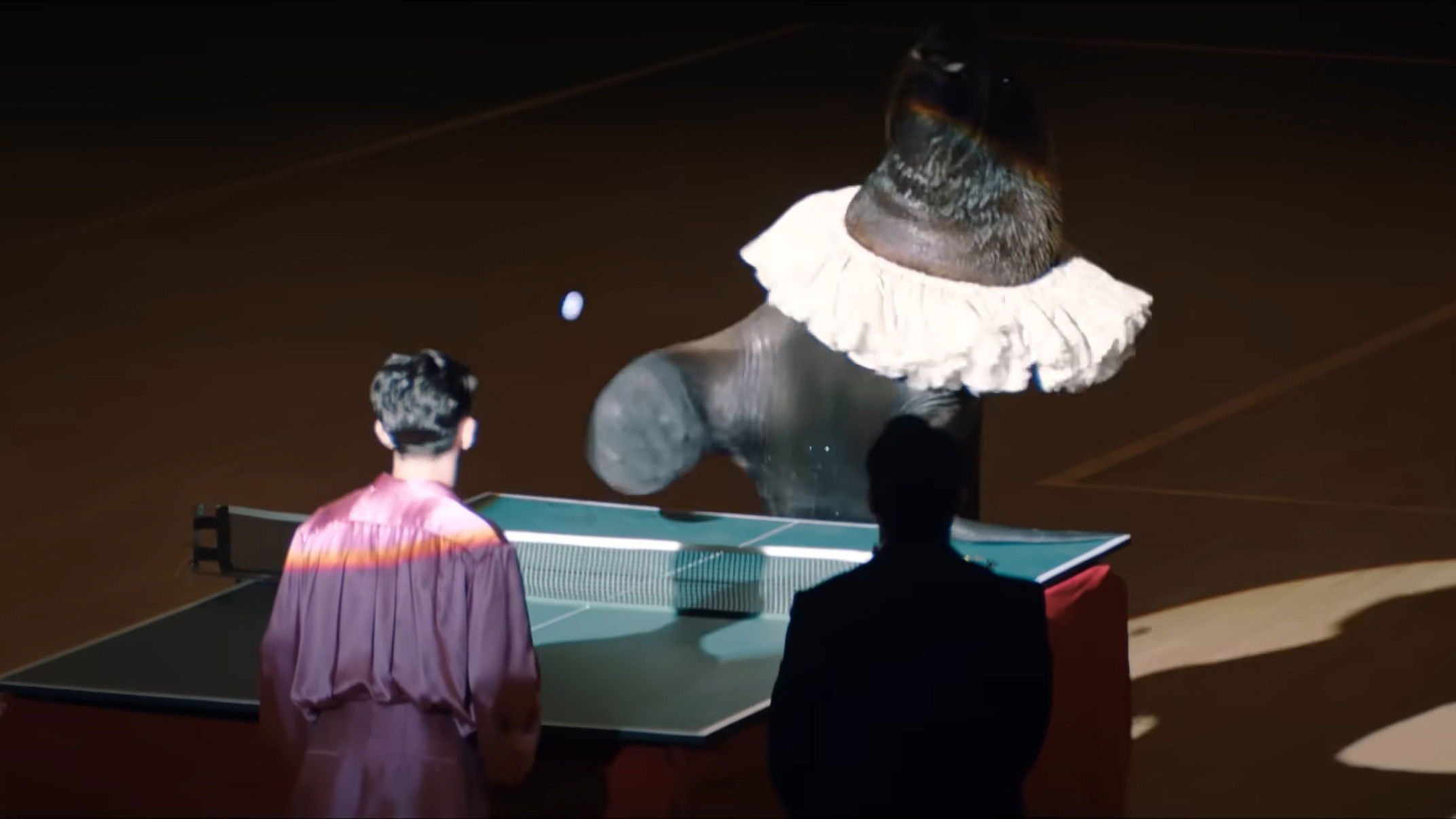
Image via A24 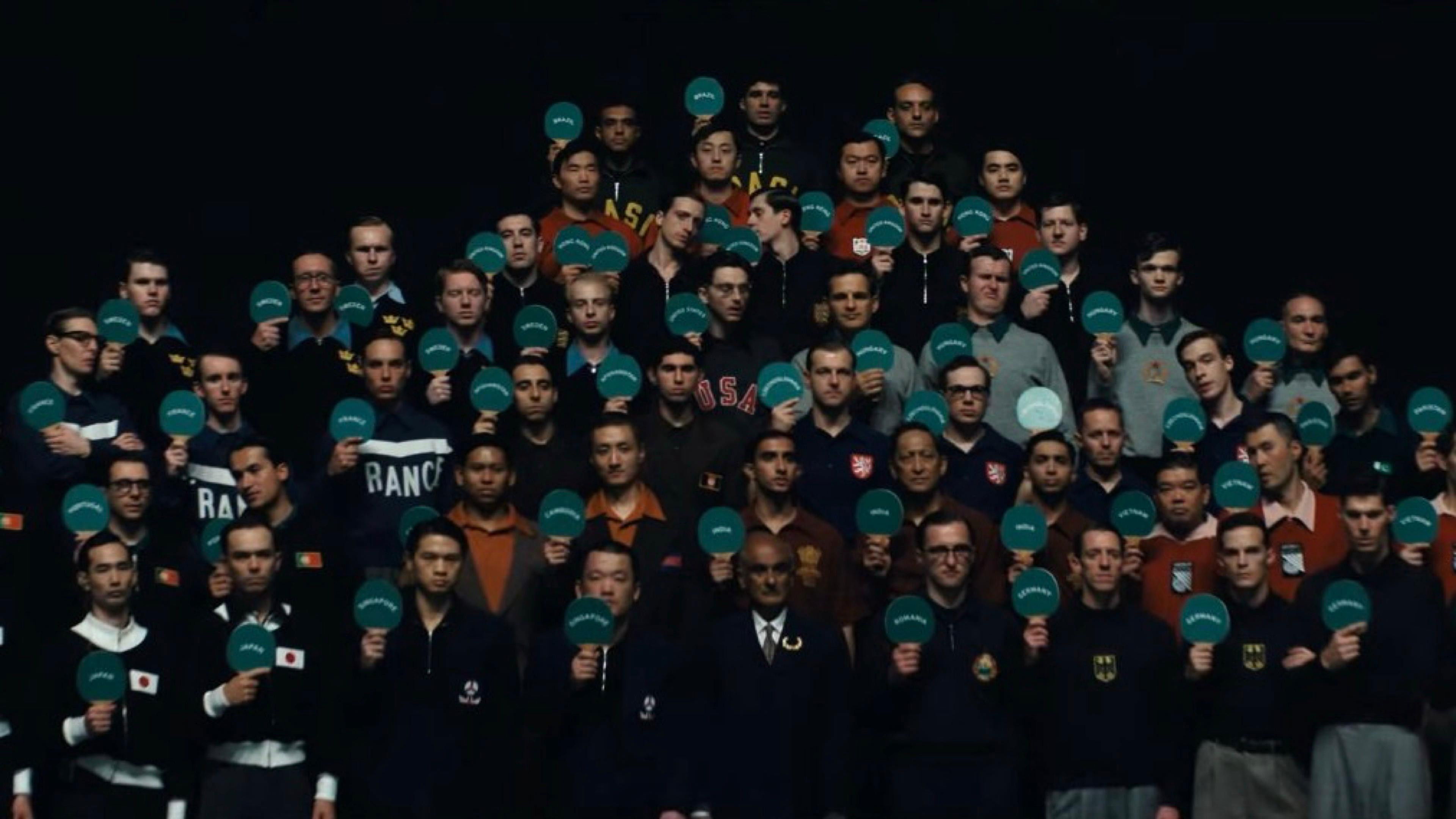
Image via A24 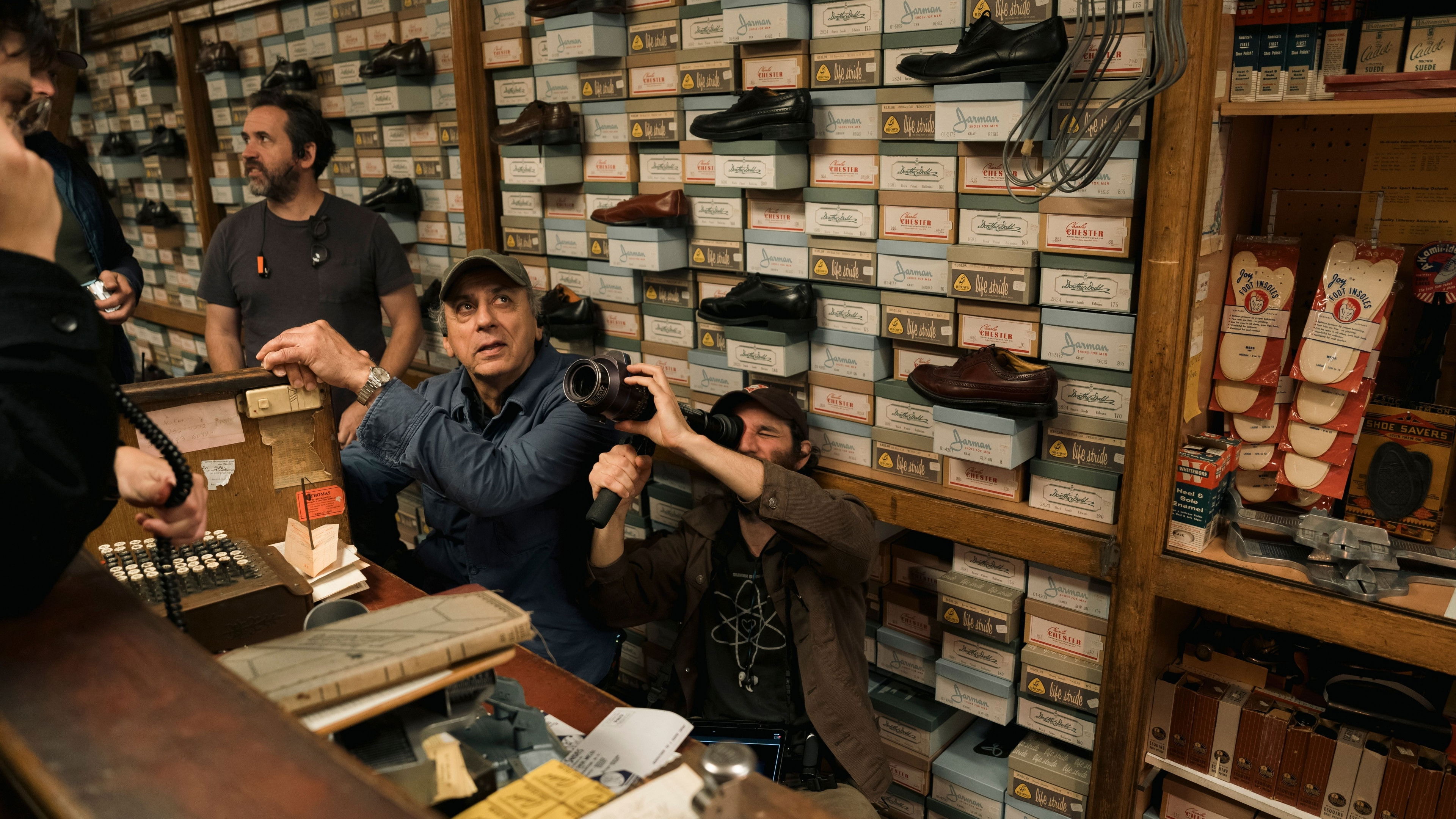
Image via A24 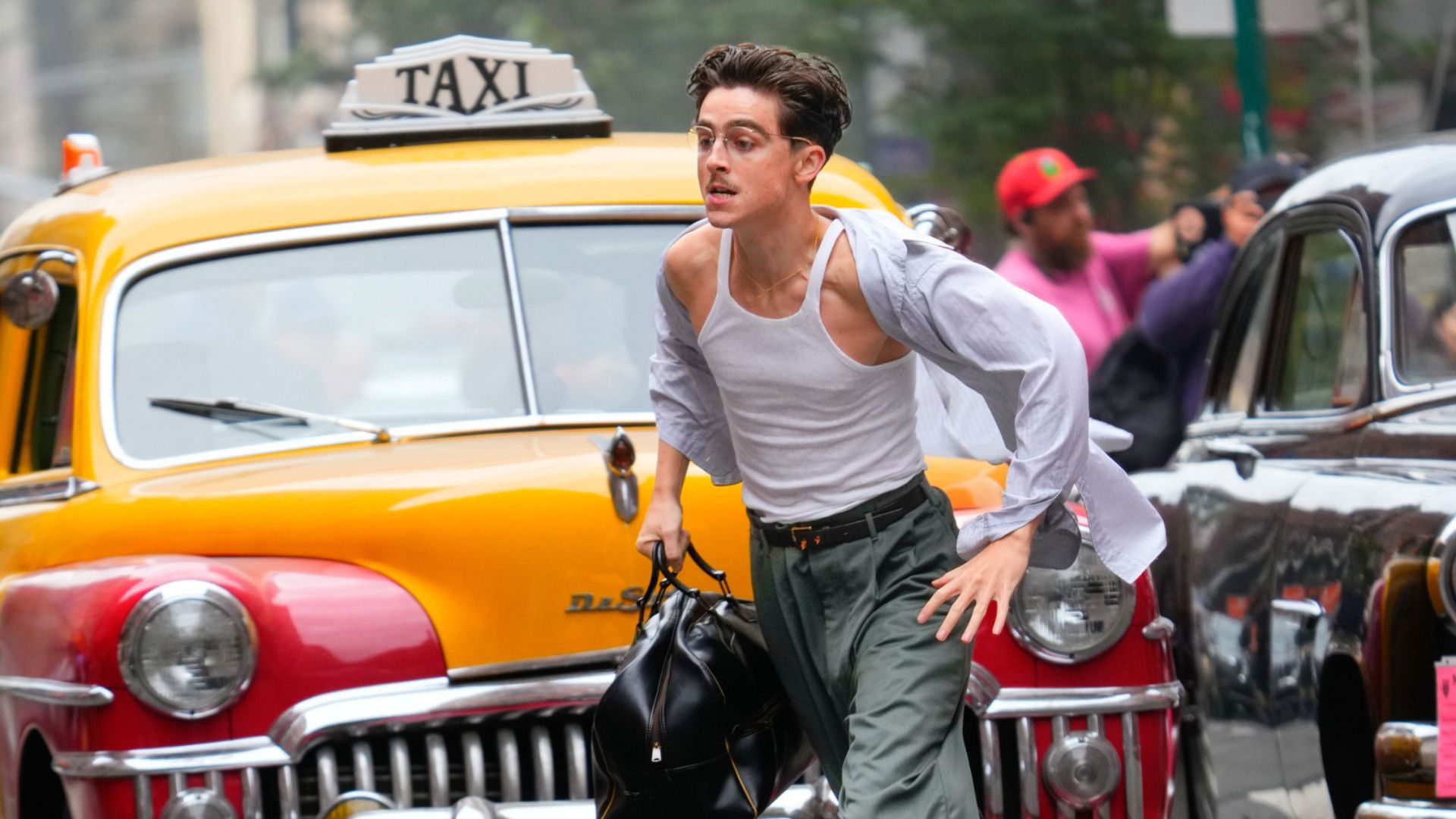
Image via A24 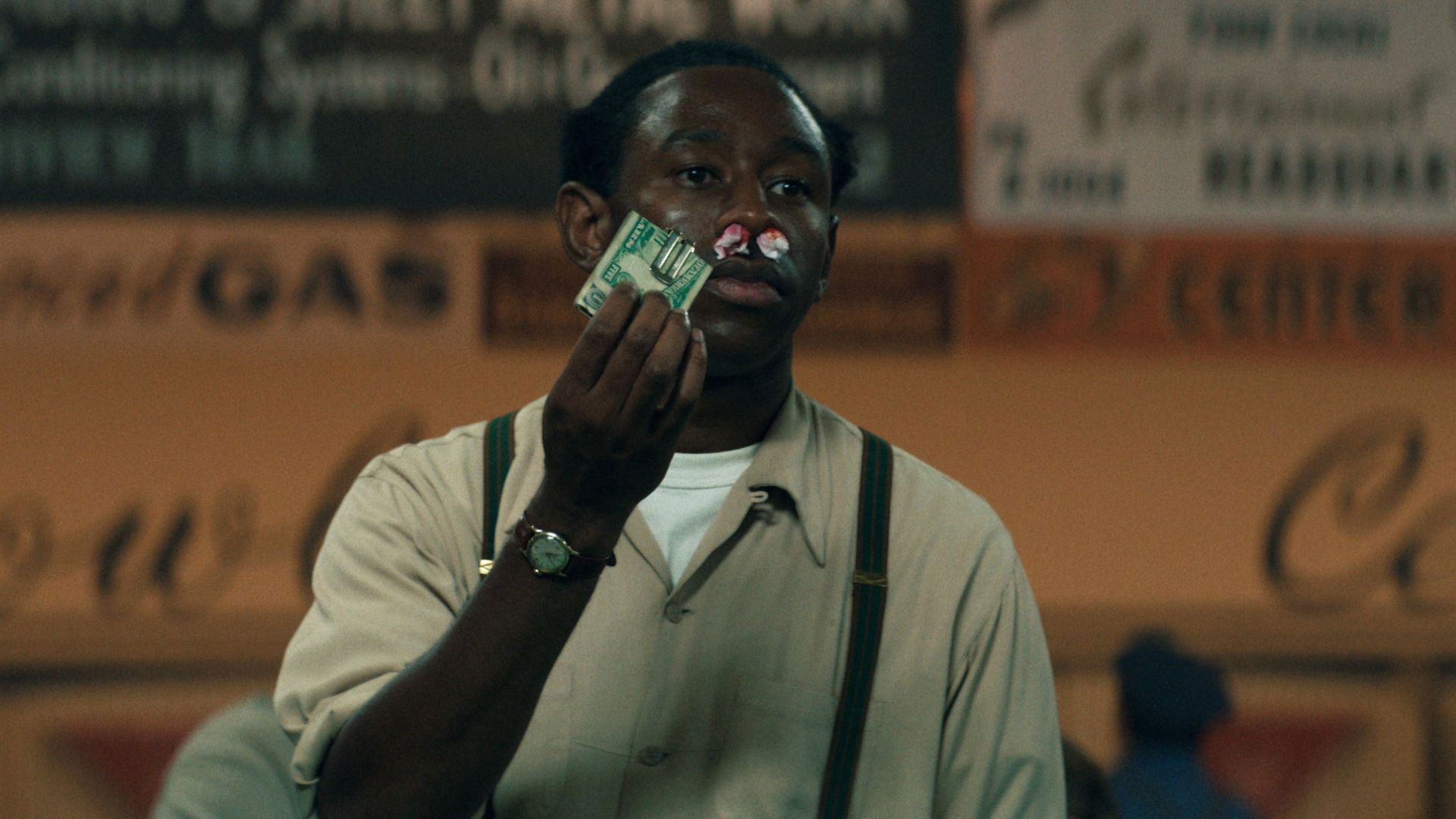
Image via A24 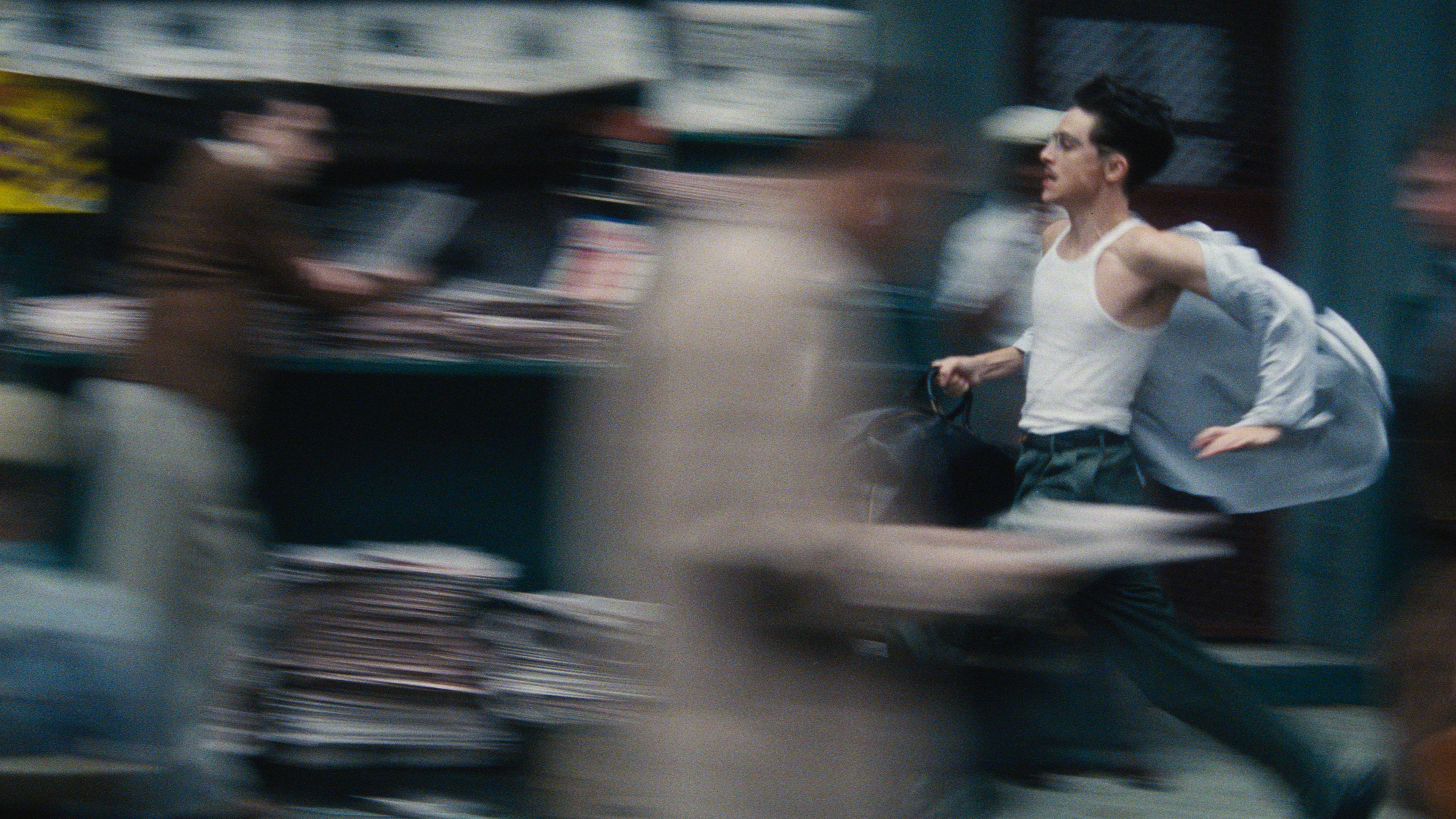
Image via A24 
Image via A24 
Image via A24 
Image via A24 
Image via A24 
Image via A24 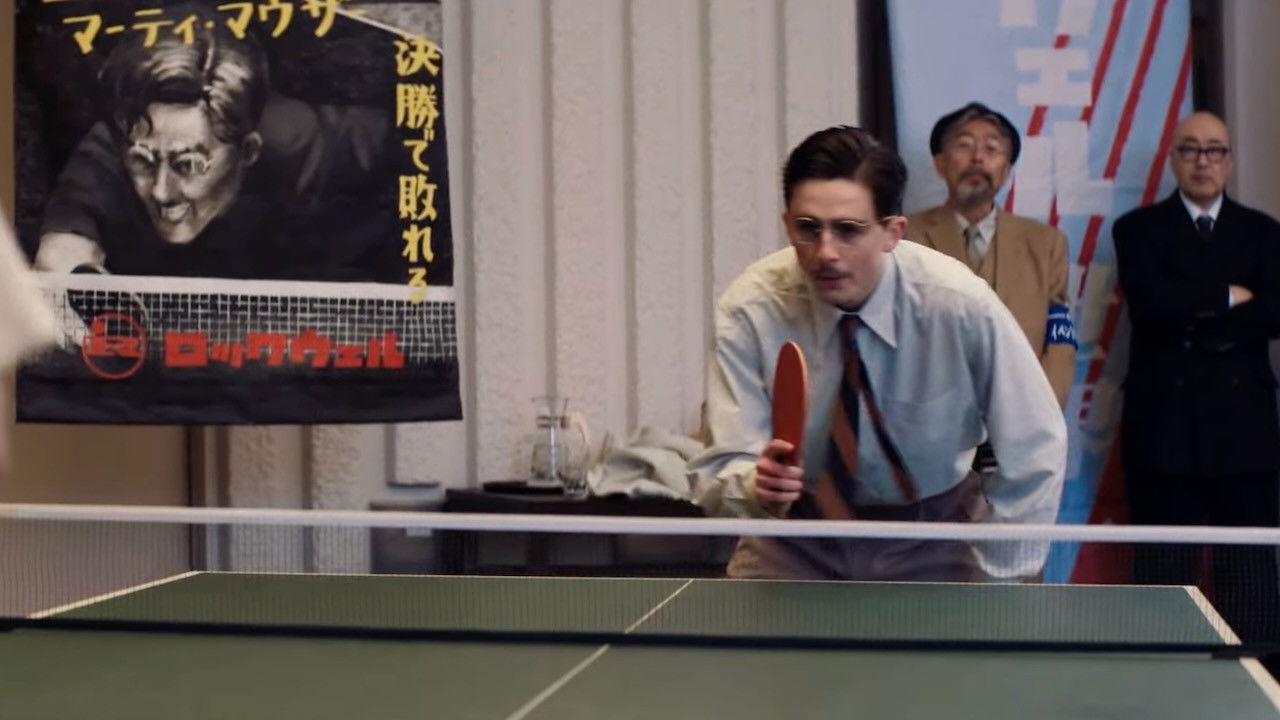
Image via A24 
Image via A24 
Image via A24 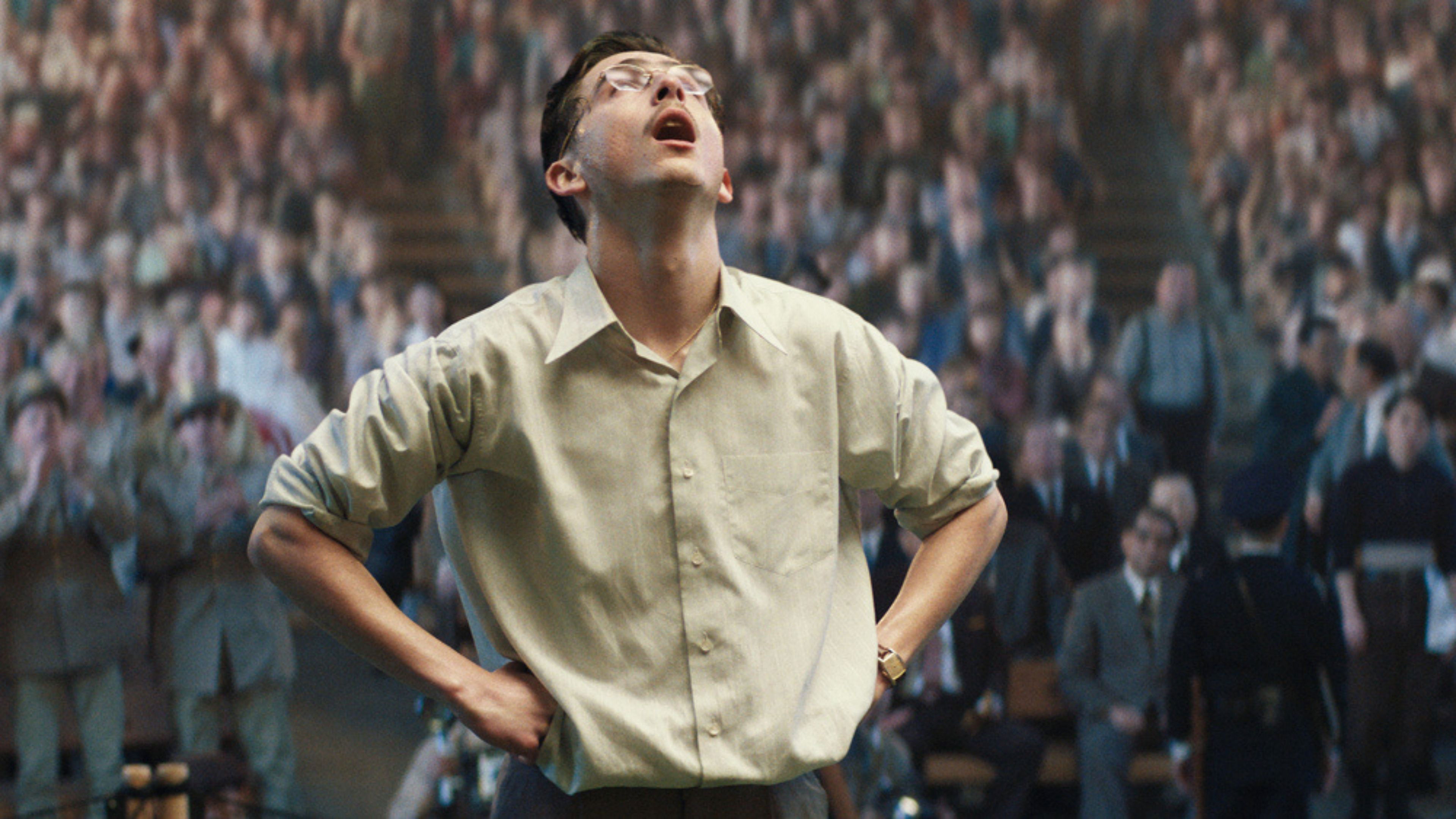
Image via A24 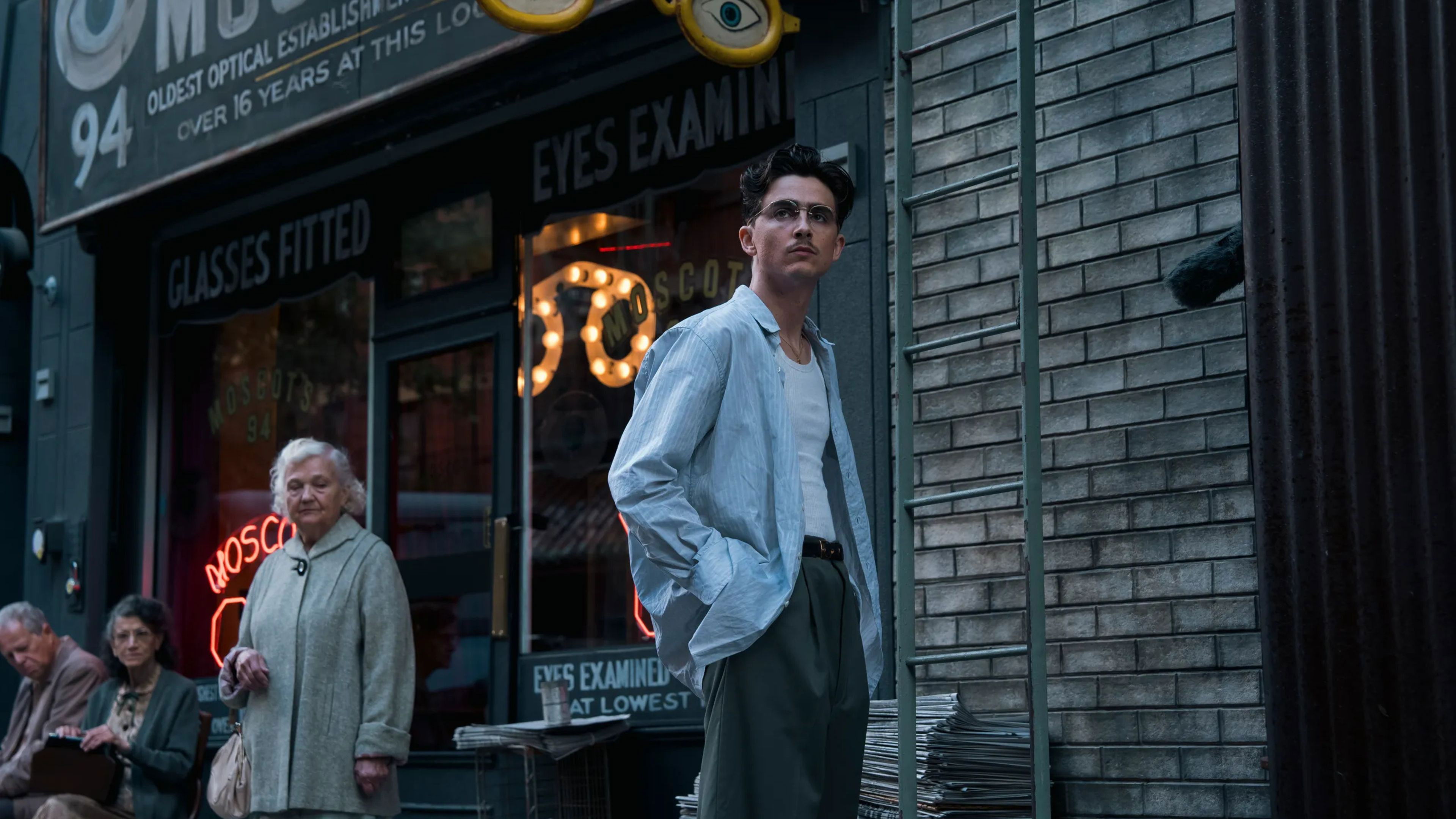
Image via A24 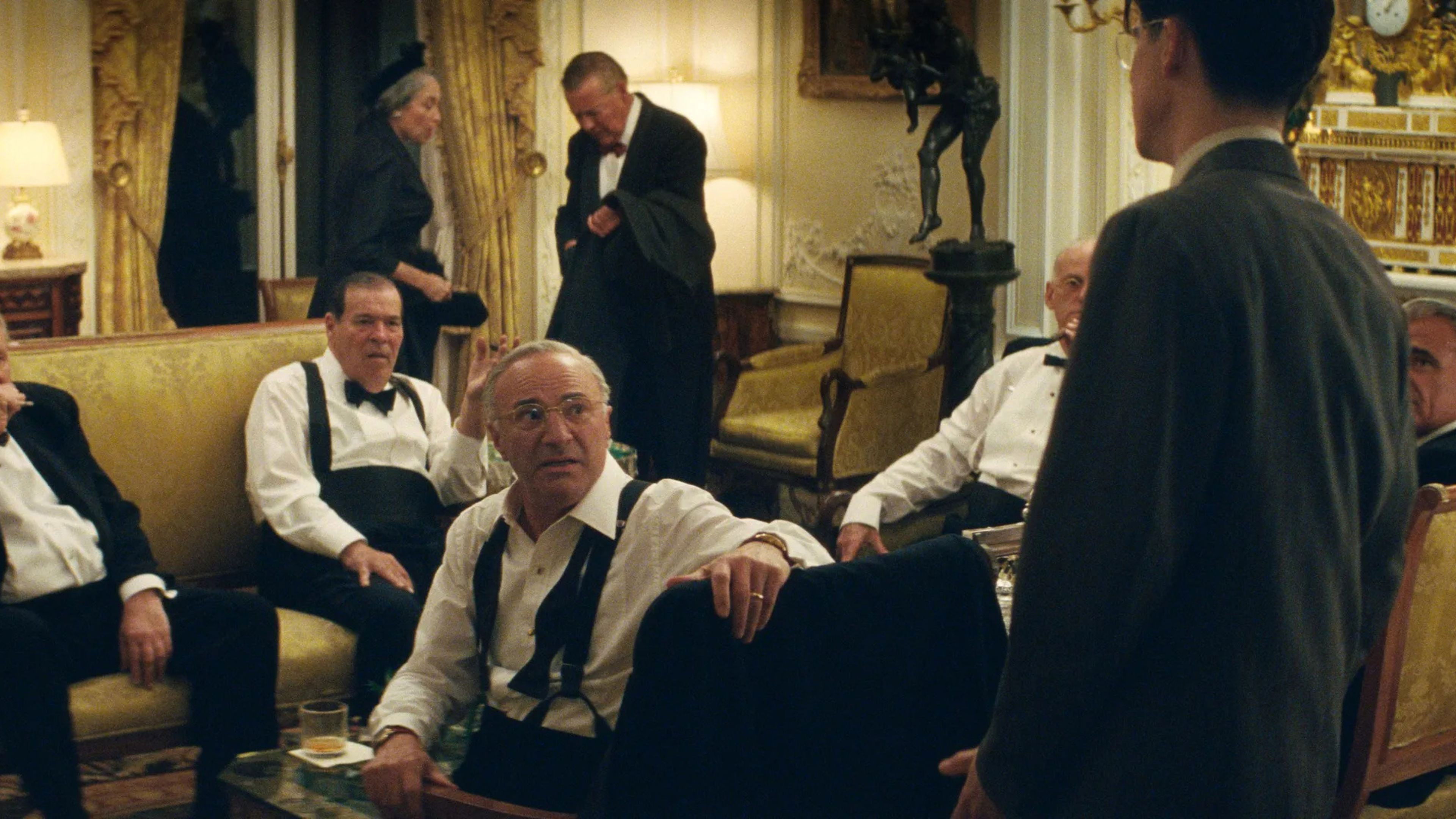
Image via A24 
Image via A24 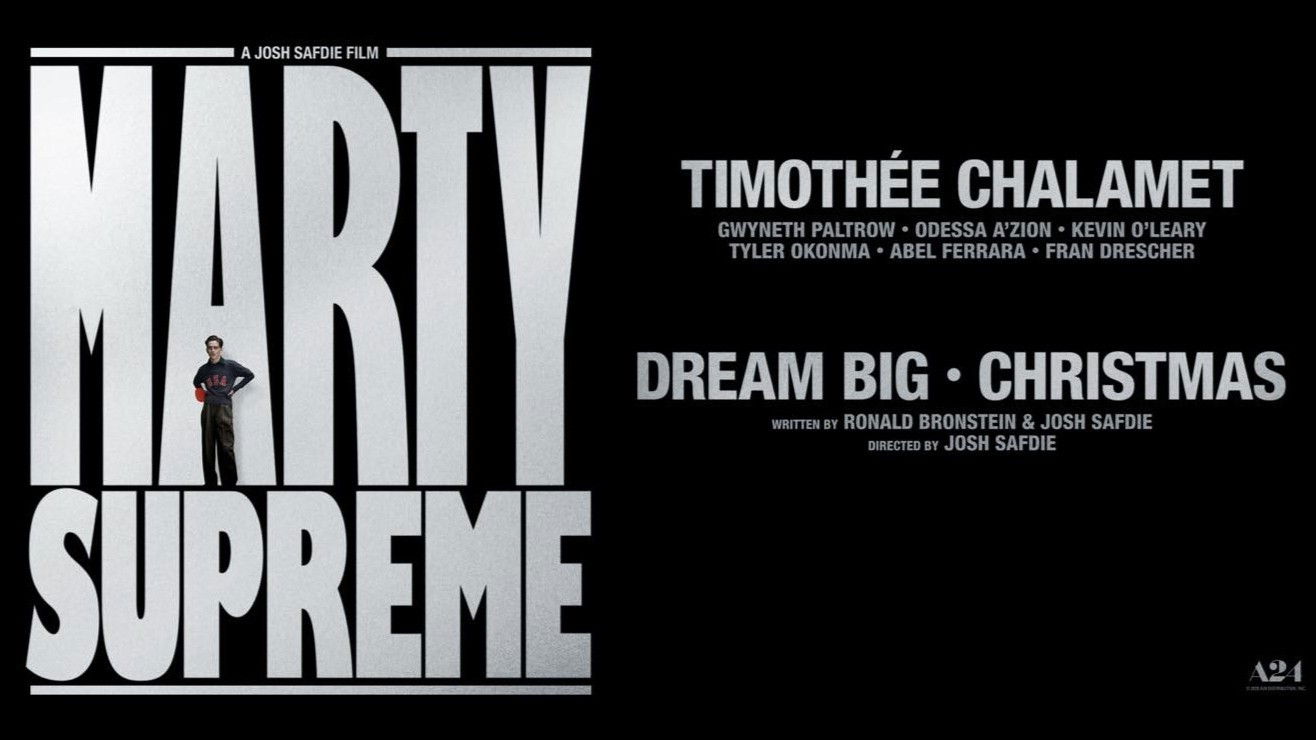
Image via A24 
Image via A24 
Image via A24 
Image via A24 
Image via A24 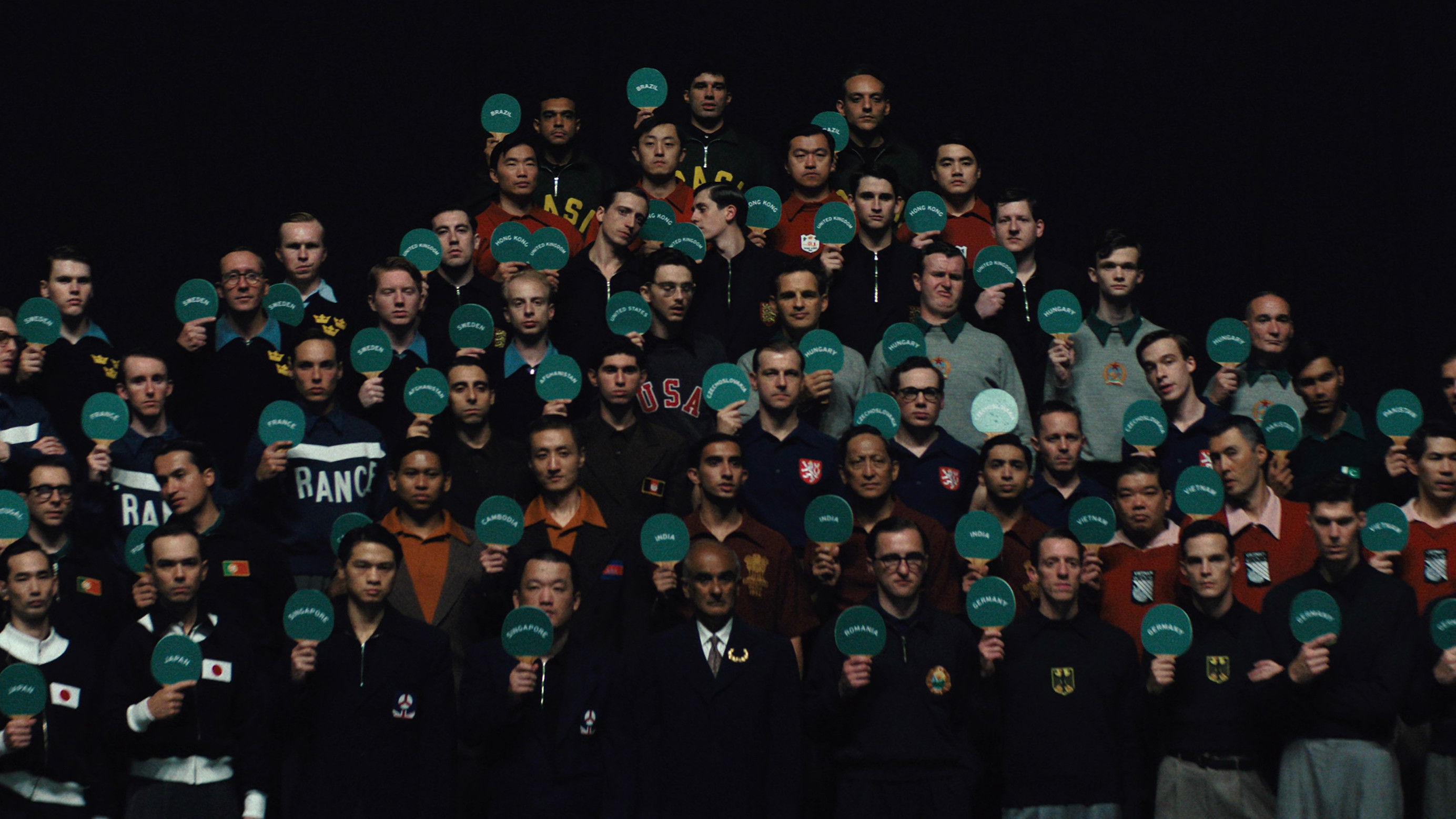
Image via A24 
Image via A24 
Image via A24 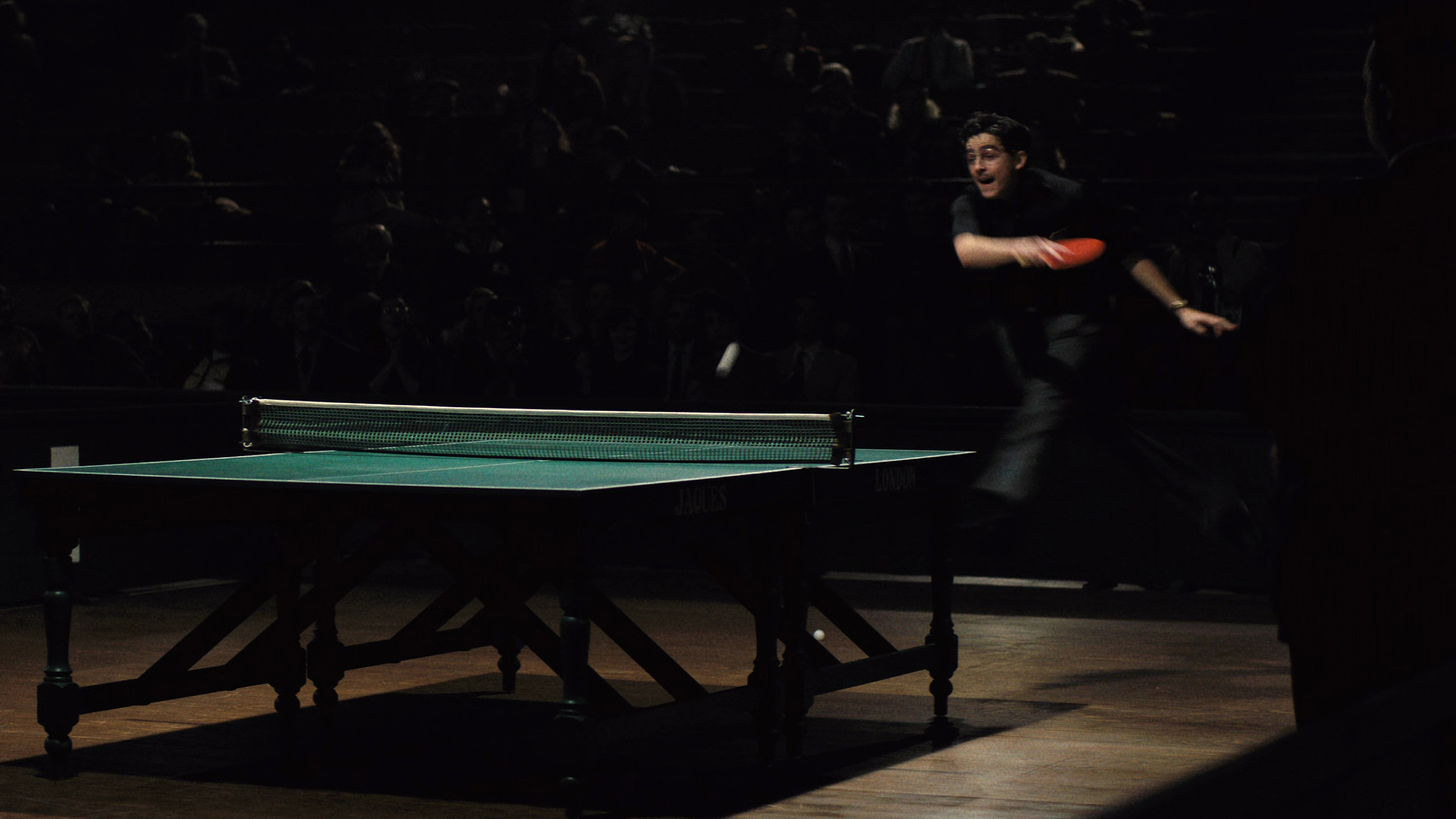
Image via A24 
Image via A24 
Image via A24 
Image via A24 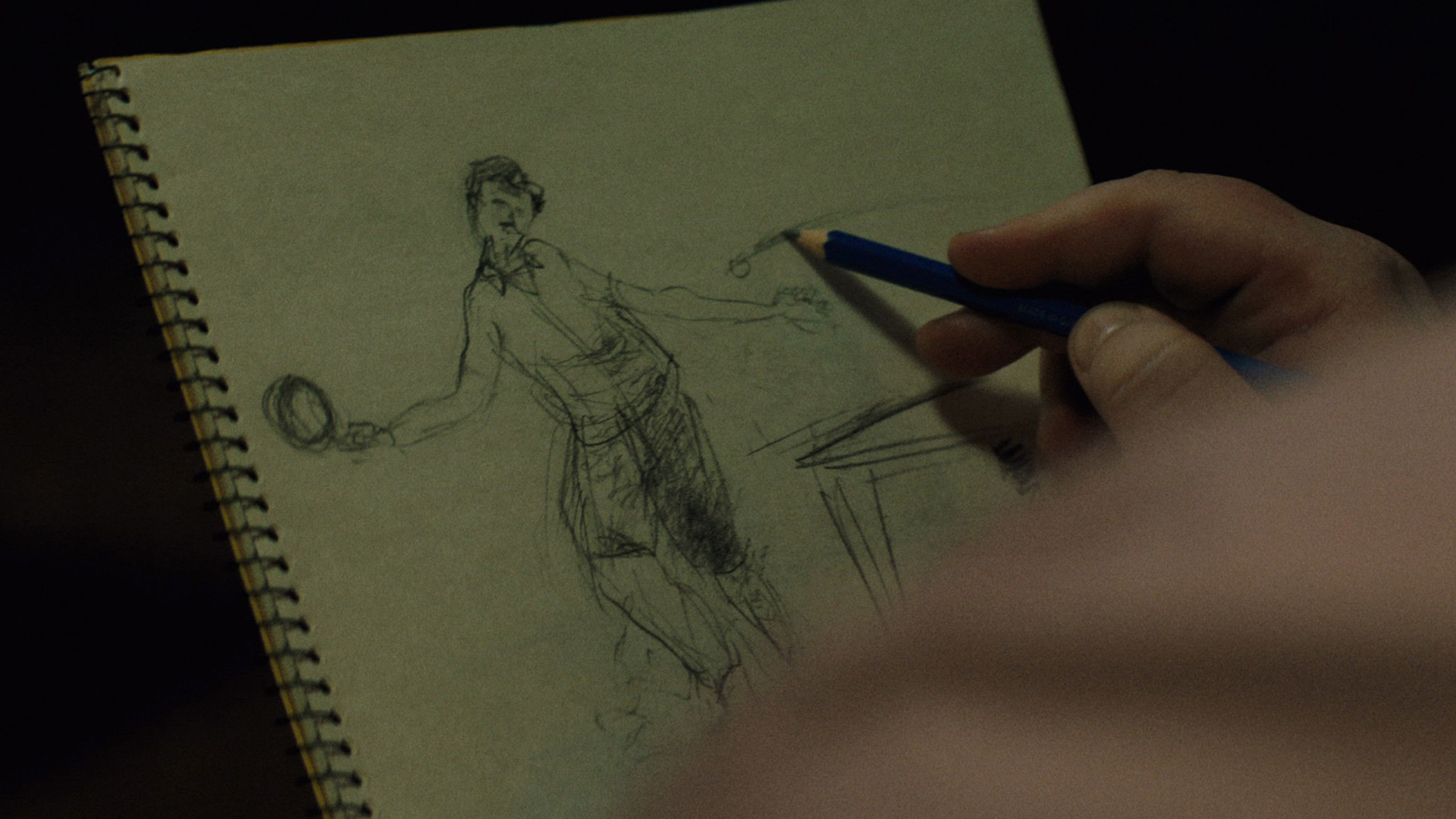
Image via A24 
Image via A24 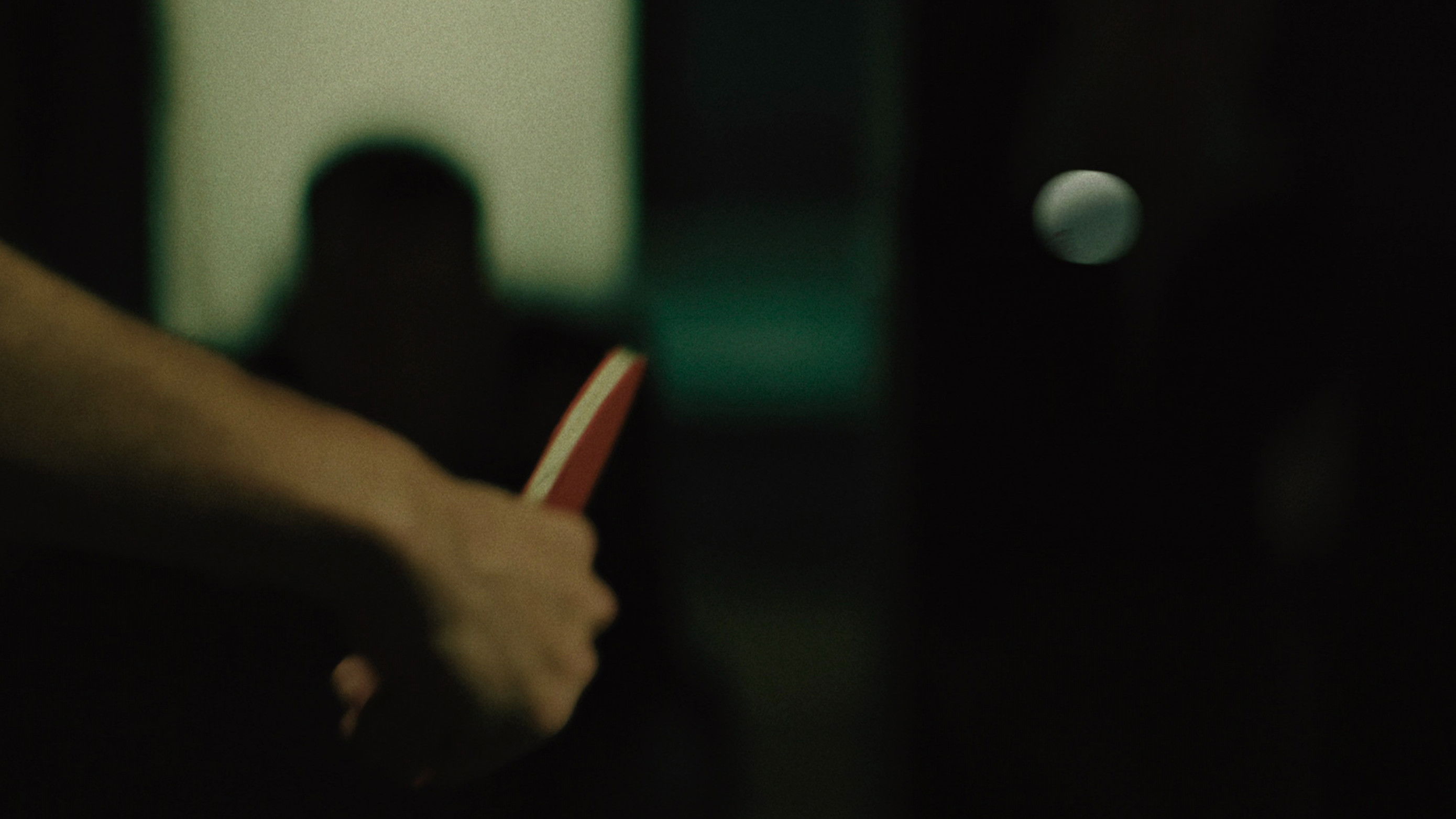
Image via A24
Plot Summary & Narrative Journey
Marty Supreme chronicles the manic, high-stakes odyssey of Marty Mauser, a fictional hustler loosely inspired by the real-life table tennis champion Marty Reisman. Set in 1952 New York, Marty works in his uncle’s shoe shop but dreams of becoming the world table tennis champion. His journey in Marty Supreme is a relentless pursuit that takes him from local ping-pong halls to the British Open in London and eventually to Tokyo. Described as a “young man with a dream no one respects” who “goes to hell and back in pursuit of greatness,” the plot of Marty Supreme is less a conventional sports underdog story and more a portrait of toxic ambition.
The narrative of Marty Supreme is propelled by Marty’s increasingly desperate and morally bankrupt schemes. He robs his uncle’s shop to fund his trip, engages in a complex affair with his married childhood friend Rachel, and becomes entangled with a wealthy, retired actress named Kay Stone and her powerful husband, Milton Rockwell. His path crosses with criminals, leads to chaotic hustles in New Jersey, and forces him into humiliating bargains to pay fines and secure matches. The story of Marty Supreme is a “series of one stressful scene after another,” building a “suffocating atmosphere” that mirrors its protagonist’s deteriorating state. It climaxes not with a simple victory, but with a hard-won, compromised triumph in Tokyo and a return home where Marty must finally confront the emotional wreckage he has created. The plot of Marty Supreme masterfully uses the rhythm of table tennis—explosive, unpredictable, and defined by rapid back-and-forth—as the structural heartbeat for its entire narrative.
Cast & Characters – A Symphony of Performances



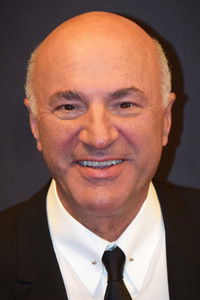





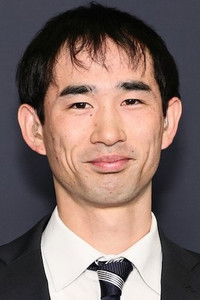


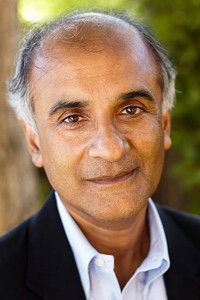


The cast of Marty Supreme is a masterful ensemble that brings Josh Safdie’s frenetic vision to life with electrifying precision. At the center is Timothée Chalamet, delivering what is universally hailed as the best and most transformative performance of his career. He completely embodies Marty Mauser, with critics noting his “nervy, sweaty performance” and “irresistible, volatile energy” that calls to mind the young Al Pacino. Chalamet spent years training in table tennis and underwent a physical transformation, reportedly even letting his vision deteriorate for the role, to become the “born hustler” at the story’s core. His performance in Marty Supreme is a “tour de force” that makes a deeply flawed character magnetically watchable.
Gwyneth Paltrow, in her return to acting, is revelatory as Kay Stone. Critics praise her for delivering “some of her best work,” tapping into a “melancholy, fractured grace” as a trophy wife seeking vitality in her affair with Marty. Odessa A’zion is equally powerful as Rachel Mizler, Marty’s childhood friend and lover, matching the film’s intense tone with a performance of “childlike naivety and stupidity” that evolves into something more tragic. The supporting cast of Marty Supreme is deep and eccentric, featuring a scene-stealing Kevin O’Leary as the cunning businessman Milton Rockwell, Tyler Okonma (Tyler, the Creator) as Marty’s loyal friend Wally, and Abel Ferrara as a menacing criminal. The film also boasts cameos from figures like Fran Drescher as Marty’s mother, Robert Pattinson as an umpire, and NBA star Kemba Walker, adding to the rich tapestry of its 1950s world. For detailed information on the film’s development and reception, you can visit the Wikipedia page for Marty Supreme.
Production & Critical Reception – An Instant Classic
The production of Marty Supreme was a passion project years in the making. Director Josh Safdie began developing the film in 2018 after being given a copy of Marty Reisman’s memoir. This marks Safdie’s first solo directorial effort since 2008, following his acclaimed collaborations with his brother Benny. He assembled a top-tier crew, including legendary cinematographer Darius Khondji, who shot the film on lush 35mm stock, and regular collaborator Daniel Lopatin for the score. The production design by Jack Fisk meticulously recreates the “atompunk” aesthetic of 1950s New York, making the city itself a vibrant character.
Upon its surprise screening at the New York Film Festival and subsequent Christmas Day release, Marty Supreme was met with a tsunami of critical acclaim. It holds a stunning 95% critics score on Rotten Tomatoes and an 89 Metascore indicating “Universal Acclaim”. Critics have called it “the best movie of the year,” “a rare film that will become a watershed moment in cinematic history,” and “one of the year’s few masterpieces”. The film’s reception for Marty Supreme has been dominated by praise for its relentless energy, Safdie’s confident direction, and Chalamet’s Oscar-worthy performance. This acclaim translated directly into awards success; Marty Supreme received nine Academy Award nominations, including Best Picture, Best Director for Safdie, and Best Actor for Chalamet, and won a Golden Globe for Chalamet. Commercially, with a global box office of $134.3 million against a $60-70 million budget, Marty Supreme became a major hit and A24’s second-highest-grossing film ever.
Themes & Analysis – The Cost of Greatness
Beneath its breakneck pace and sports backdrop, Marty Supreme is a profound and multi-layered exploration of weighty themes. The central theme is the **American Dream and Toxic Ambition**. Marty Mauser is the archetypal hustler, believing utterly in his own greatness and his right to achieve it. The film meticulously dissects the cost of this dream, not just to Marty, but to everyone around him. He is a “full-blown narcissist” who “values people solely based on how useful they are to his ambition,” leaving a “trail of destruction” in his wake. Marty Supreme forces the audience to confront the uncomfortable question: what sacrifices are you willing to make, and impose on others, to achieve your goals?
This leads to the theme of **Identity and Performance**. Marty is constantly performing—for his ping-pong opponents, for Kay Stone, for Milton Rockwell. His life is a hustle. The film blurs the line between his authentic self and the persona he cultivates for success. Furthermore, Marty Supreme offers a sharp **Critique of Hustle Culture and Transactional Relationships**. Every connection in Marty’s world is framed as a potential deal or a means to an end. His relationship with Kay is described by Paltrow herself as “transactional”. This creates a world devoid of genuine intimacy, where love, friendship, and loyalty are all commodities to be leveraged in the pursuit of greatness. Finally, the film explores **Redemption and Consequences**. Despite his triumphs, the ending of Marty Supreme brings him face-to-face with the emotional fallout of his actions. The final, quiet moments suggest a fragile possibility for change, asking whether achieving a dream can ever be worth the person you had to become to get it. The thematic depth of Marty Supreme is what elevates it from a thrilling sports film to a landmark piece of American cinema.
Direction & Style – The Safdie Signature, Amplified
Josh Safdie’s direction in Marty Supreme represents the full, unfiltered maturation of his distinctive cinematic style. Known for the “suffocating atmosphere” and “anxiety-driven” narratives of films like *Uncut Gems*, Safdie doubles down on these elements here, creating what one reviewer aptly calls “cinematic Mountain Dew”. The direction of Marty Supreme is characterized by a relentless, propulsive energy. Safdie uses tight framing, rapid-fire editing, and a constantly moving camera to place the audience directly inside Marty’s frantic psyche. The film “whips past in what feels like mere minutes,” a testament to Safdie’s masterful control over pacing and rhythm.
The visual style of Marty Supreme is a crucial component of its storytelling. Cinematographer Darius Khondji’s work on 35mm film gives the 1950s setting a textured, gritty, and vividly authentic feel. The production design is “outstanding,” immersing the viewer in a world of smoky ping-pong halls, opulent hotel suites, and gritty New York streets. Safdie’s stylistic choices extend to the soundtrack, which employs anachronistic 80s synth-pop to thrilling and disorienting effect, emphasizing the timeless, frenetic nature of Marty’s quest rather than strict period accuracy. The table tennis matches themselves are filmed not as standard sports scenes but as high-stakes psychological duels, with the ping-pong ball’s rhythm dictating the scene’s editing pace. Every directorial choice in Marty Supreme serves to create what critics describe as a “wraparound sensory experience” and a “roman candle of a movie,” proving Safdie as one of the most vital and exciting auteurs working today.
Audience & Critical Divide – A Love-It or Hate-It Proposition
While critical consensus for Marty Supreme is overwhelmingly positive, the film has sparked a fascinating and divisive reaction among general audiences, which is central to its identity. On platforms like IMDb, user reviews for Marty Supreme reveal a clear split. Many viewers are utterly captivated, calling it “a fantastic piece of filmmaking,” “my favorite movie of the year,” and an “immersive experience that had me on the edge of my seat”. They praise its unique energy, Chalamet’s performance, and its refusal to follow a predictable formula.
However, a significant portion of the audience finds Marty Supreme exhausting or frustrating. The most common point of contention is the **Character of Marty Mauser Himself**. Many viewers find him “so unlikable and mean-spirited” that it hampers their enjoyment, stating, “I didn’t find it enjoyable to watch someone walk all over other people”. This “love-hate relationship” with the protagonist is a deliberate and challenging aspect of the film. Other criticisms of Marty Supreme focus on its **Pacing and Length**. Some feel the “anxiety-driven momentum” can be overwhelming and that the 150-minute runtime is “indulgent,” with scenes that “could have been cut”. A few dismiss it as a formulaic sports story with an unlikeable lead, missing the deeper thematic critique. This division is not a flaw but a feature of Marty Supreme; it is a “divisive film in a fascinating way” that demands a strong emotional and intellectual reaction, refusing to offer easy comfort or a simple hero’s journey.
Positives / What Works – The Elements of a Masterpiece
- A Career-Defining Lead Performance: Timothée Chalamet’s work as Marty Mauser is nothing short of legendary, a raw, physical, and psychologically complex turn that is already considered the peak of his career and a benchmark for acting in 2025 cinema.
- Propulsive, Confident Direction: Josh Safdie’s vision is fully realized and exhilarating. His control over pace, atmosphere, and style makes Marty Supreme a totally immersive, heart-pounding cinematic experience from first frame to last.
- Superb Supporting Cast & World-Building: From Gwyneth Paltrow’s nuanced comeback to a deep bench of character actors, every role feels lived-in. The 1950s production design is immaculate, creating a tangible and believable world for Marty Supreme.
- Intelligent, Uncompromising Screenplay: The script by Safdie and Bronstein is sharp, witty, and morally complex. It avoids sports movie clichés, offering a story about ambition that is both thrilling and deeply thought-provoking.
- Technical Brilliance: The cinematography by Darius Khondji, the score by Daniel Lopatin, and the editing are all top-tier, working in perfect harmony to create the unique, frenetic aesthetic of Marty Supreme.
Negatives / Criticisms – The Challenges of Ambition
- An Deeply Unlikable Protagonist: Marty Mauser is designed to be abrasive, narcissistic, and morally flexible. For some viewers, this makes him impossible to root for, turning the film into an unpleasant watch rather than an engaging one.
- Exhausting, Unrelenting Pacing: The film’s “anxiety-driven momentum” is a key feature, but it can also be a bug. Some audiences and critics find the non-stop intensity overwhelming, leaving them drained rather than exhilarated by the end of Marty Supreme.
- Debatable Pacing & Runtime: At two and a half hours, the film’s length has been critiqued. Some argue that a tighter edit, particularly in the mid-section, would have improved the overall impact of Marty Supreme.
- Stylistic Choices That May Not Land: The use of anachronistic 80s music, while bold, is distracting for some viewers who feel it clashes with the period setting and tone of Marty Supreme.
- Narrative Familiarity for Some: A minority of viewers perceive the core story as a conventional “underdog athlete” tale, failing to connect with the deeper, more subversive themes that the film explores.
Final Verdict / Conclusion
Marty Supreme (2025) is an undeniable cinematic triumph, a film that arrives not just as a movie but as a cultural event. It represents the apex of collaboration between a director with a singular vision and a star at the height of his powers. Josh Safdie has crafted a work of breathtaking energy and formal mastery, while Timothée Chalamet delivers a performance for the ages, disappearing entirely into the flawed, fascinating, and ferociously ambitious Marty Mauser. The film’s critical and awards success is wholly deserved, reflecting its artistic audacity and execution.
However, the true legacy of Marty Supreme may lie in its capacity to provoke and divide. It is not a comfortable or easy watch; it is a demanding, intense, and morally complex journey into the heart of a character who embodies the darkest side of the American dream. Its relentless pace and unlikeable protagonist will not resonate with everyone, and that is by design. For those willing to engage with it on its own terms, Marty Supreme offers a rich, rewarding, and unforgettable experience—a film that is as intellectually stimulating as it is viscerally thrilling. It is a bold statement on ambition, identity, and cost, cementing itself not only as one of the best films of 2025 but as a future classic that will be analyzed and debated for years to come. Marty Supreme is, quite simply, supreme filmmaking.
Movie Rating

Marty Supreme

OFFICIAL TRAILER

Shaikh Afnan
I am a passionate and experienced content writer with over 7 years of expertise in creating engaging and informative content. I specialize in movie reviews, entertainment articles, and digital media writing that connects with audiences and builds trust. Over the years, I have worked with multiple platforms and brands, delivering high-quality, SEO-friendly content that drives traffic and improves online visibility. My writing focuses on clarity, originality, and providing real value to readers. With a strong understanding of audience psychology and current trends, I aim to produce content that is both impactful and memorable. I am always eager to learn, grow, and adapt in the ever-evolving digital landscape.


